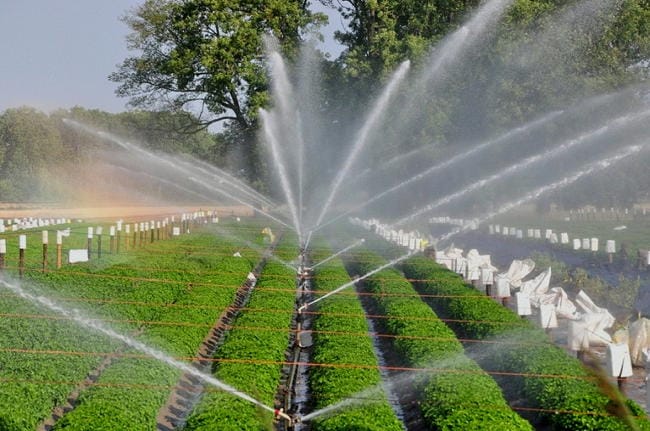
Modern farming is changing rapidly, and smart irrigation systems are helping farmers produce more food while saving water. With climate change and unpredictable rainfall affecting agriculture, many farmers are now turning to technologies such as drip irrigation, automatic watering systems, and moisture sensors to improve productivity.
Drip irrigation is one of the most efficient watering methods in farming today. Instead of flooding the entire farm, water is delivered slowly and directly to the roots of crops through pipes and small emitters. This reduces water wastage caused by evaporation and runoff. Crops also receive enough moisture to grow healthy, leading to higher yields and better-quality produce.

Automatic watering systems are also transforming agriculture. These systems use timers or smart controllers to water crops at specific times of the day. Farmers no longer need to manually irrigate their farms, saving time and labor costs. Automatic systems ensure crops get water consistently, especially during dry seasons.

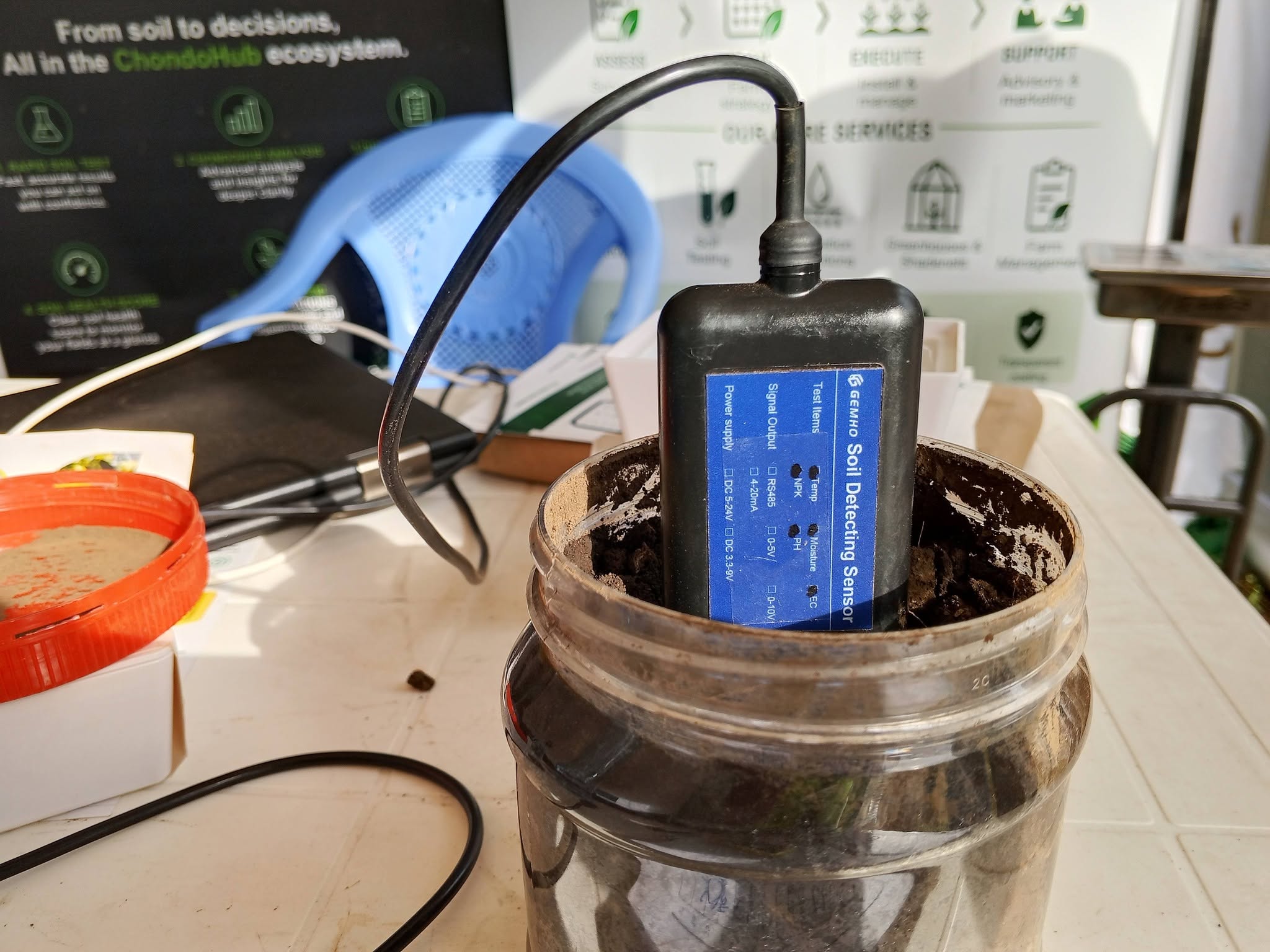
Another important technology is the use of soil moisture sensors. These sensors measure the amount of water in the soil and send information to the farmer or irrigation system. When the soil becomes too dry, the system automatically releases water. This helps farmers avoid overwatering or underwatering crops. As a result, plants grow healthier while water and electricity costs are reduced.
Smart irrigation systems are becoming increasingly important in modern agriculture. They help conserve water, reduce farming costs, and increase crop production. For farmers facing water shortages and rising production expenses, adopting smart irrigation technology could be the key to sustainable and profitable farming. Which method do you use for iirigation ?