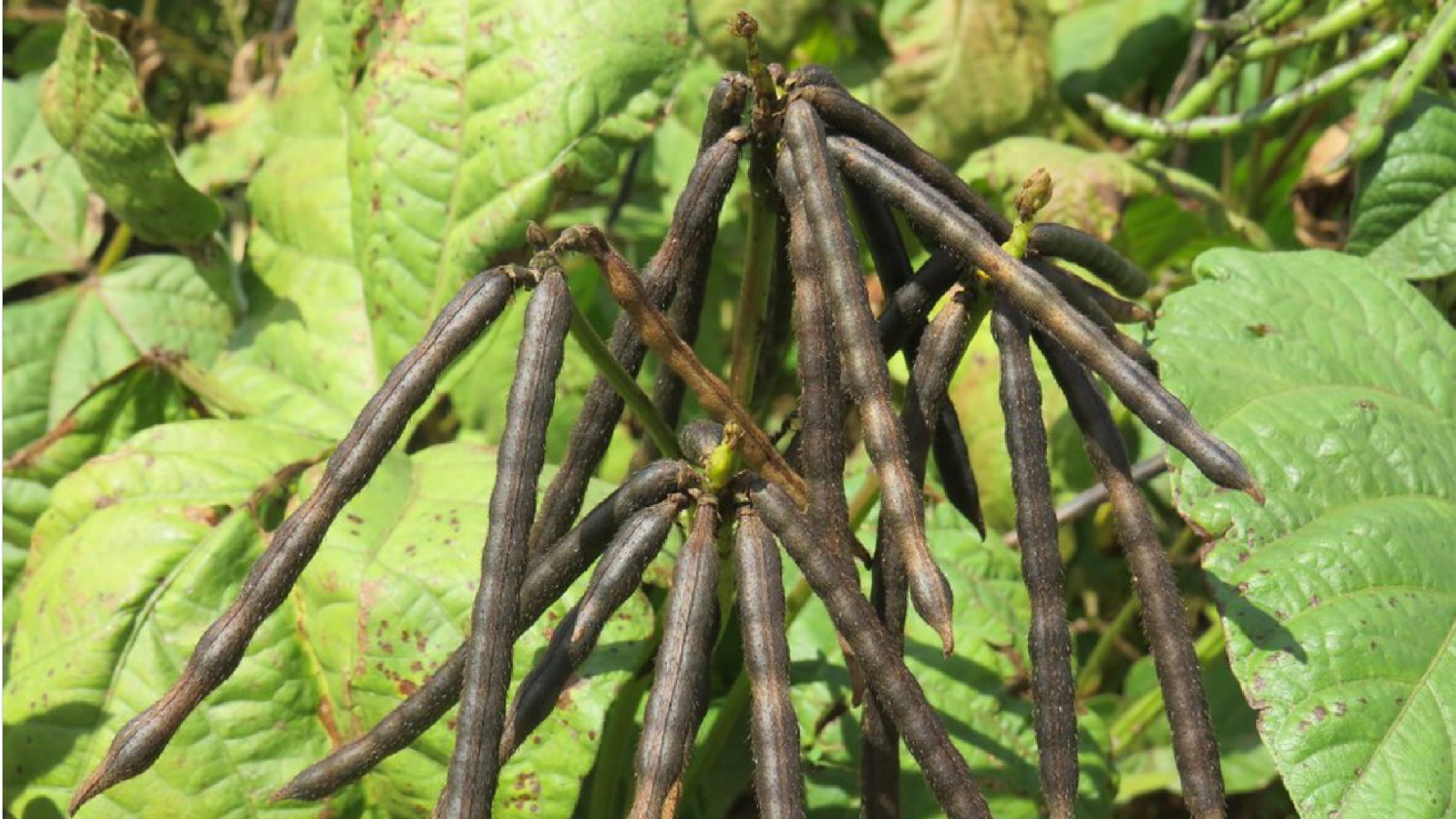

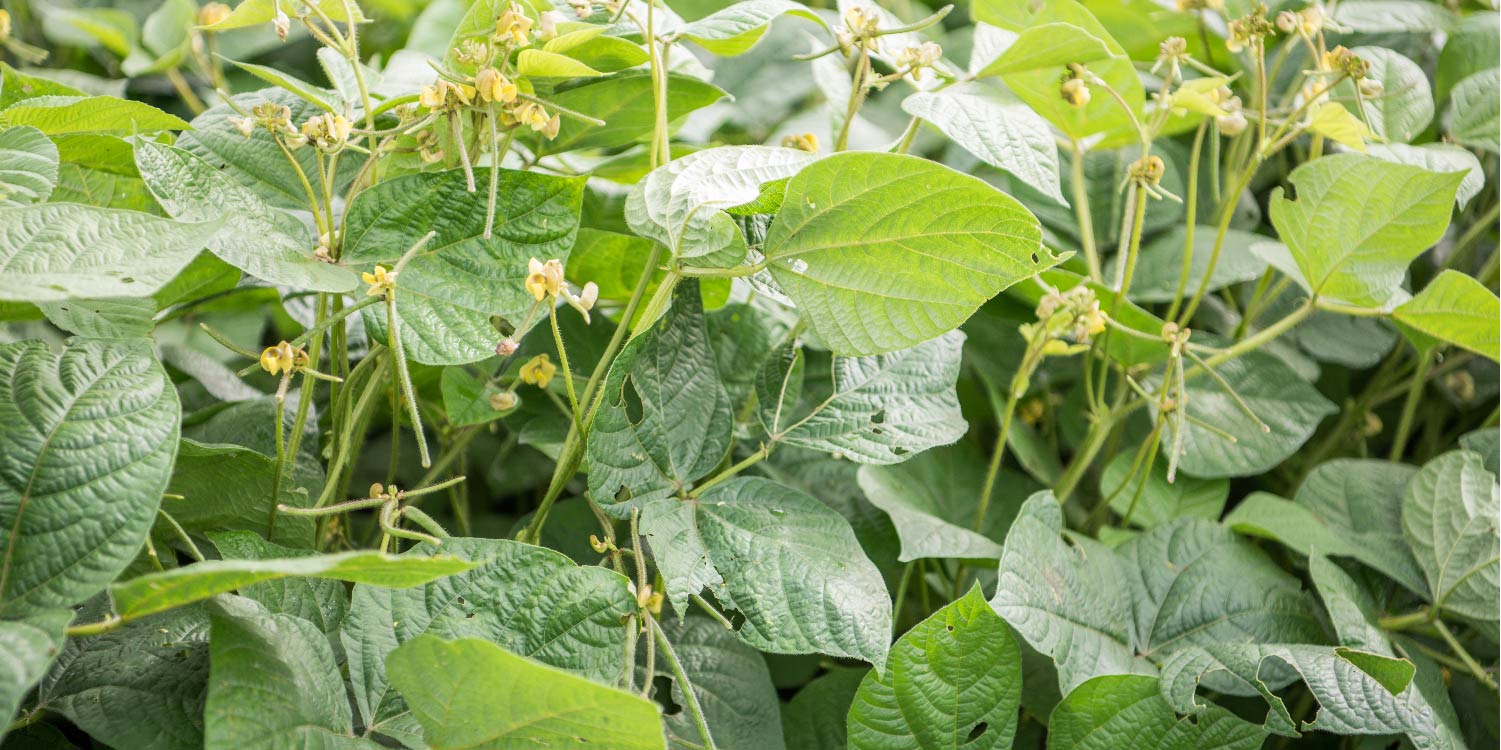
Farmers in Lower Eastern Kenya—especially in Makueni, Kitui, and Machakos—are increasingly selling green grams (ndengu) at prices ranging between Ksh 80 and Ksh 100 per kilogram, a situation that raises concern given the crop’s strong market demand. Many farmers are not benefiting fully from their hard work due to structural weaknesses in storage, marketing, and bargaining power.
One of the main reasons for the low farm-gate prices is lack of proper storage facilities. After harvest, most small-scale farmers are forced to sell immediately because they do not have warehouses or safe storage systems. Green grams are also highly sensitive to moisture and pests, making prolonged storage risky without proper infrastructure.
Secondly, middlemen dominate the market. Traders often buy directly from farmers at very low prices and later resell in urban markets at significantly higher margins. Because farmers sell individually rather than in groups, they have weak bargaining power and accept whatever price is offered.
In addition, limited access to market information leaves many farmers unaware of prevailing prices in major markets like Nairobi, Mombasa, or export destinations. This information gap further exposes them to exploitation.
County governments in Makueni, Kitui, and Machakos can play a major role in solving this challenge. First, they should invest in community grain aggregation and storage centers, allowing farmers to store produce and sell when prices are favorable. Second, strengthening cooperative societies would enable collective marketing, improving bargaining power.
Counties should also promote warehouse receipt systems, where farmers use stored grain as collateral to access credit instead of selling immediately. In addition, investing in market information systems via SMS platforms can help farmers track real-time prices.

Finally, supporting value addition—such as cleaning, grading, packaging, and linking farmers to export markets—would significantly increase earnings. With the right interventions, green gram farming in Lower Eastern can shift from survival selling to a profitable agribusiness.