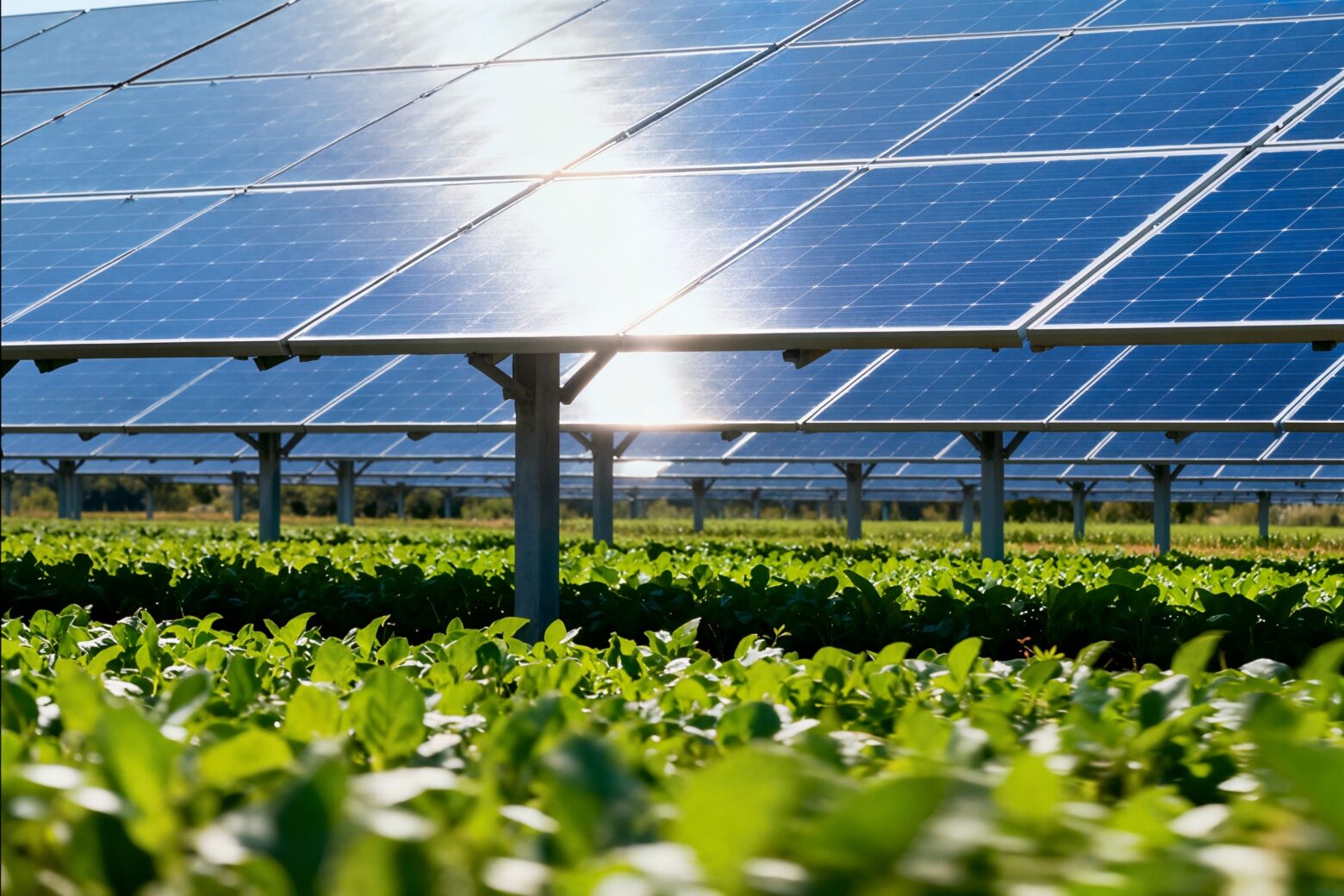
Farmers across the world are increasingly turning to solar-powered farming as a smart and affordable way to reduce production costs and improve efficiency. With rising fuel prices and unreliable electricity in many rural areas, solar energy is becoming a game changer in modern agriculture.
Solar-powered farming uses energy from the sun to run irrigation pumps, greenhouse systems, electric fences, lighting, and even milk cooling machines. Unlike diesel-powered machines that require constant fuel purchases, solar systems rely on free sunlight, helping farmers save money in the long run.

One of the biggest advantages of solar farming is reduced irrigation costs. Farmers can use solar water pumps to irrigate crops without depending on expensive fuel or unstable electricity. This ensures crops receive enough water even during dry seasons, leading to higher yields and better food production.
Solar energy is also environmentally friendly. It reduces pollution and helps fight climate change by lowering the use of fossil fuels. Farmers who adopt solar technology contribute to cleaner air and a healthier environment while improving their farm operations.

Although installing solar equipment may require a high initial investment, many governments and organizations now offer grants, loans, and subsidies to support farmers. Over time, the savings on electricity and fuel make solar systems highly profitable.
As technology continues to improve, solar-powered farming is expected to become even more popular. By embracing clean energy, farmers can cut costs, increase productivity, and build a more sustainable future for agriculture.