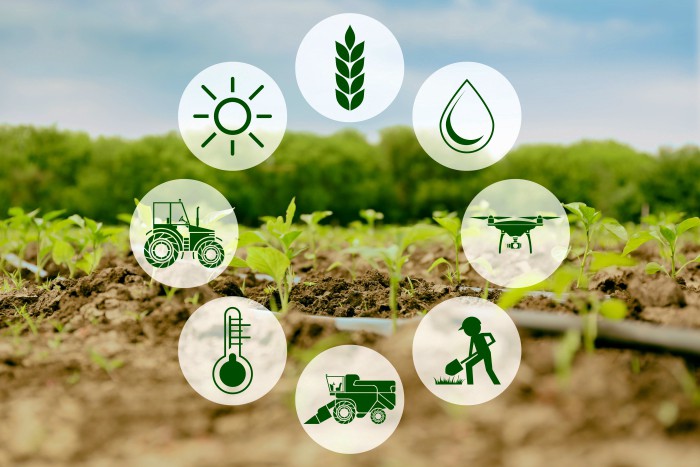
Technology in agriculture has moved way past just bigger tractors. It’s basically reshaping how food gets grown, managed, and distributed. Here’s how it’s showing up right now:
1. Precision Agriculture
Instead of treating a whole field the same, sensors and GPS let farmers treat each square meter differently.
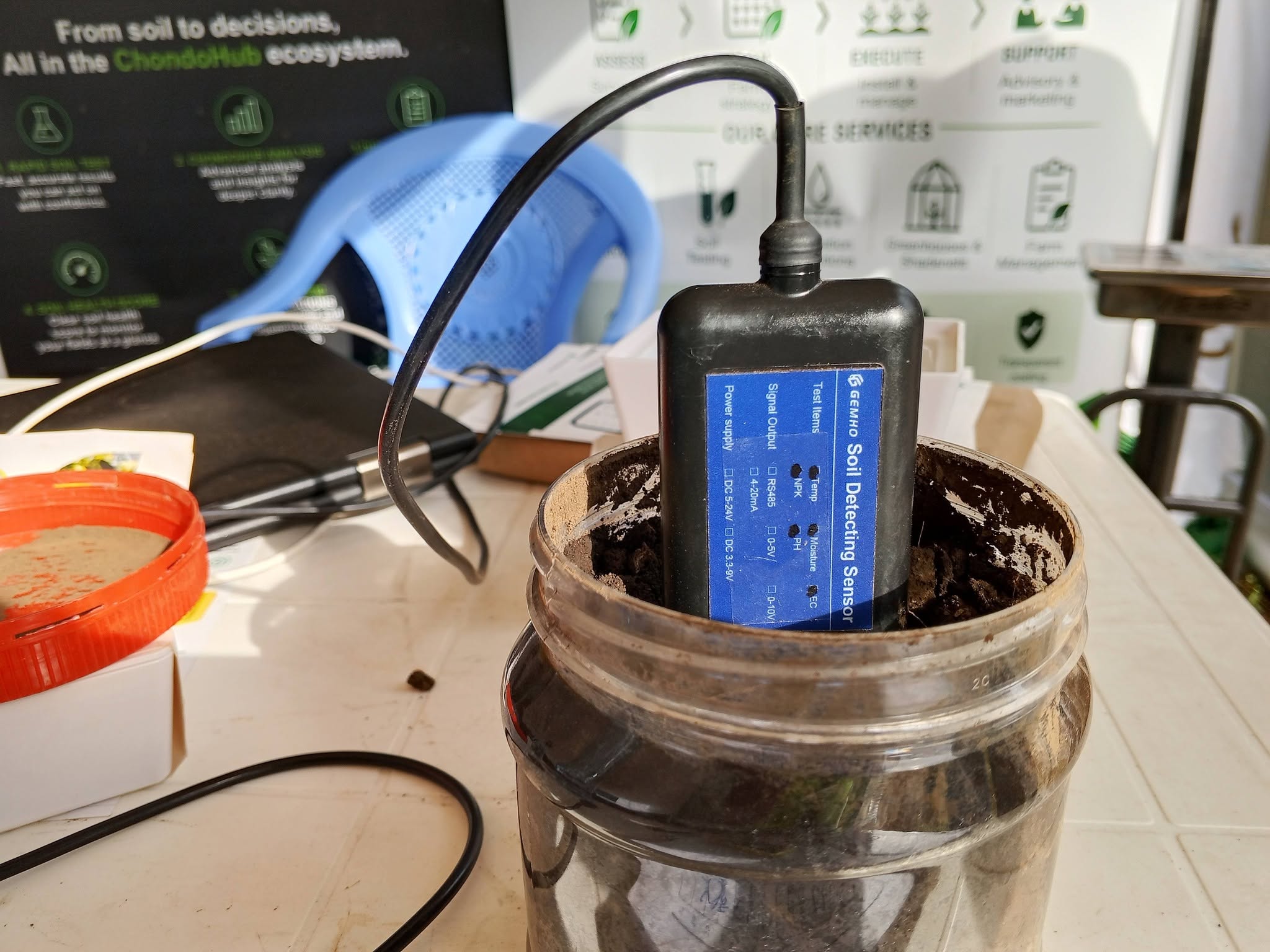
- Soil sensors check moisture, pH, nutrients in real time so you only water/fertilize where needed.
- GPS-guided tractors and drones plant, spray, and harvest with centimeter accuracy. Cuts waste and fuel use.
- Satellite + drone imagery spots crop stress, pests, or disease before it’s visible on the ground.
2. Automation & Robotics
Labor shortages are pushing this hard.- Autonomous tractors can plow and plant 24/7.
- Robotic harvesters are used for delicate crops like strawberries and apples.
- Automated weeders use computer vision to zap weeds with lasers or micro-doses of herbicide, reducing chemicals.

3. Data & AI
Farms generate a ton of data now. AI helps make sense of it.
- Yield prediction: Models forecast harvest size based on weather, soil, and growth data.
- Pest/disease detection: Image recognition apps let farmers snap a photo of a leaf and get a diagnosis + treatment.
- Market timing: Algorithms suggest when to sell based on price trends and storage costs.
4. Biotech & Genetics
- CRISPR gene editing creates crops resistant to drought, pests, and disease without GMO stigma.
- Controlled environment agriculture: Indoor vertical farms use LED lighting, hydroponics, and climate control to grow year-round with 95% less water.
5. IoT & Connectivity
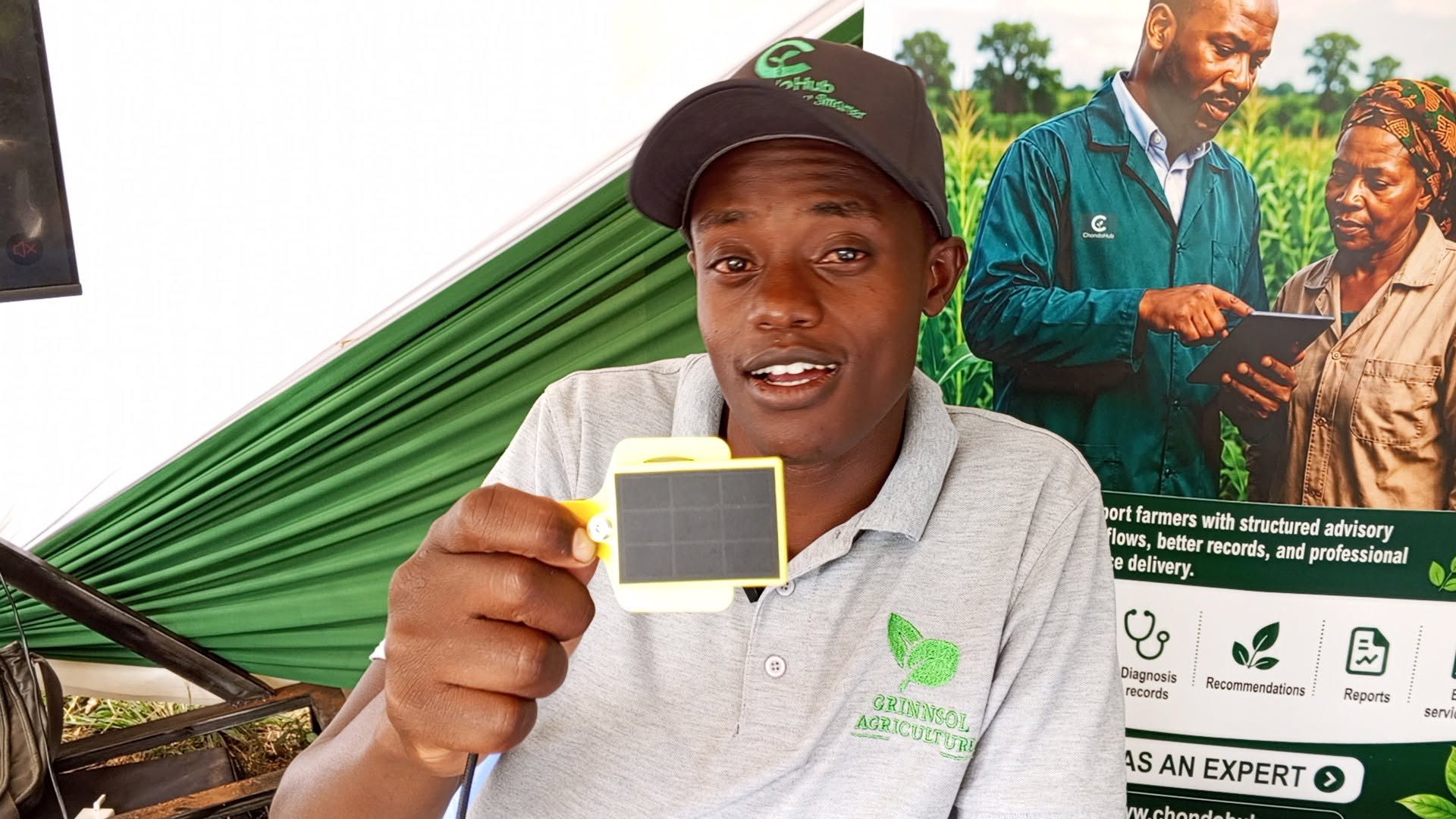
Low-cost sensors + 5G/LoRa networks mean even small farms can monitor everything remotely from a phone. Greenhouses, irrigation pumps, livestock collars all report back automatically.
6. Blockchain & Supply Chain
Used to track food from farm to shelf. Helps with food safety recalls and proving claims like “organic” or “fair trade” are legit.
The big win is efficiency: more output with less water, land, labor, and chemicals. That matters a lot as climate gets less predictable and demand keeps rising.
What kind of farming or tech are you most curious about ?