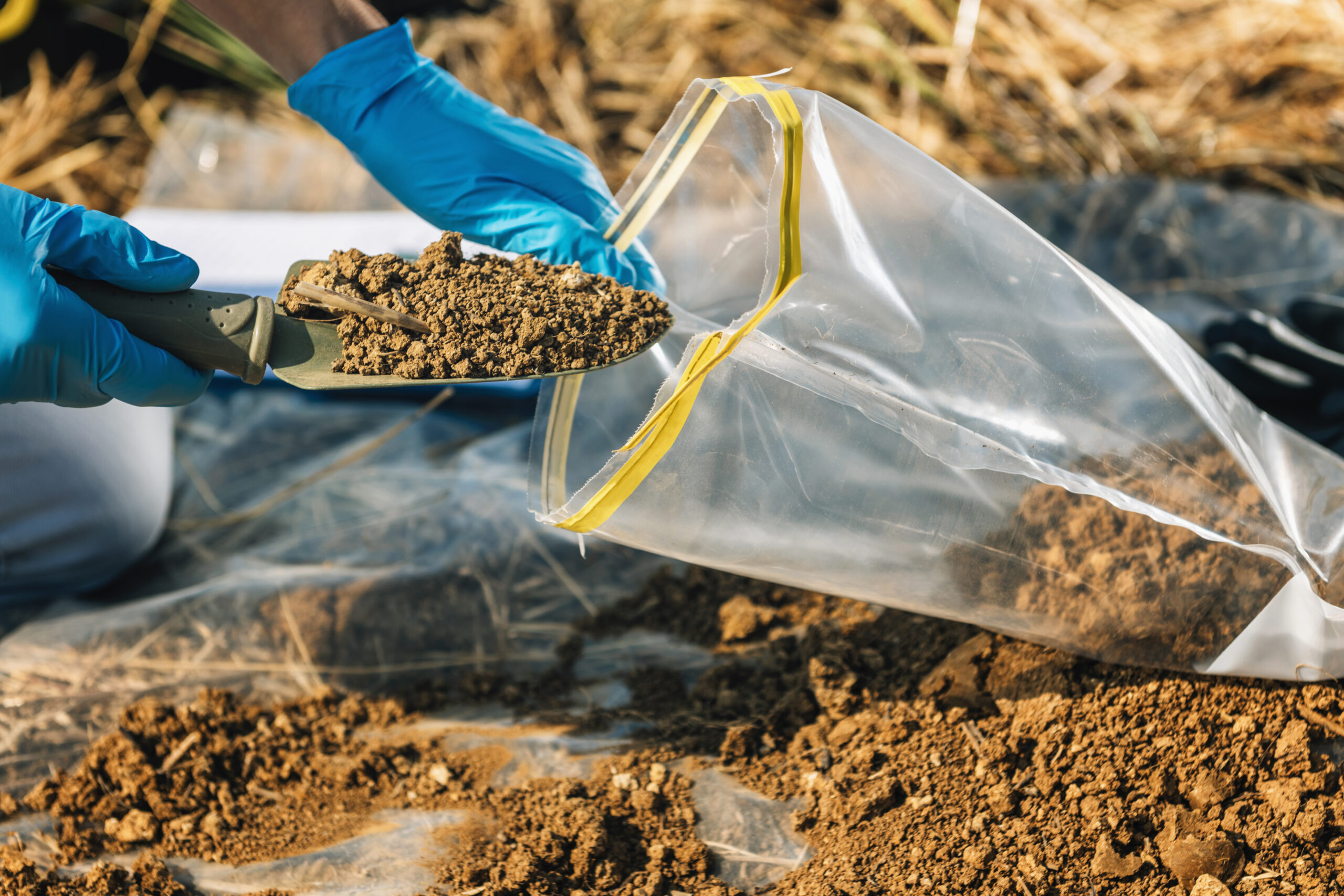
Soil looks like inert dirt, but it’s a living system packed with nutrients, microbes, and chemistry that decide whether your plants thrive or struggle. A soil test is how you decode that system in under an hour of lab time. Here’s how it’s actually done.
1. Sampling the right way
Accuracy starts in the field. Use a clean trowel, auger, or soil probe to avoid contamination. Walk a zigzag pattern across the area you want to test and take 8-15 small cores, 6-8 inches deep for lawns and gardens, deeper for trees. Mix these subsamples in a clean plastic bucket to create one composite sample. Don’t use metal containers if you’re testing for micronutrients—metal can skew results. Let the sample air-dry, then break up clods and remove stones and roots. You only need about 1 cup for the lab.

2. What happens in the lab
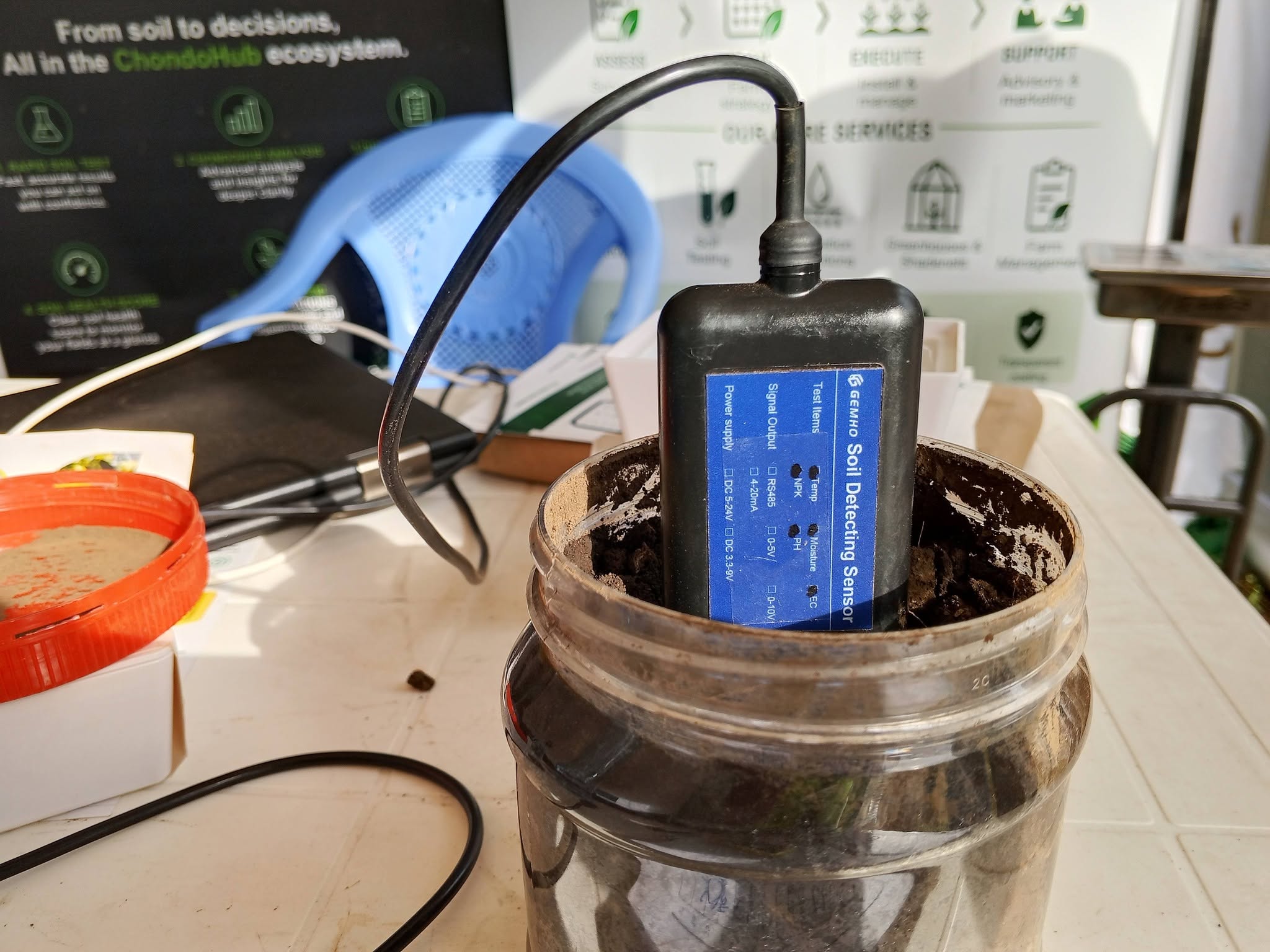
You mail the dried sample to an agricultural extension lab or private soil lab. They start by extracting nutrients with a chemical solution that mimics what plant roots do. For macronutrients like phosphorus and potassium, they use extractants such as Mehlich-3 or Bray P1. For pH, they mix soil with water or a salt solution and measure with a pH electrode. Organic matter is usually measured by combustion or loss-on-ignition. Nitrogen is trickier and often estimated from organic matter unless you pay for a specific nitrate test.

3. Reading the report
The report gives you numbers for pH, organic matter %, and levels of N, P, K, calcium, magnesium, and sometimes micronutrients like zinc and iron. It also lists cation exchange capacity, which tells you how well the soil holds nutrients. The key part is the recommendations: it translates those numbers into pounds of fertilizer or lime per 1000 sq ft, tailored to what you’re growing.

4. Why it matters
Guessing leads to wasted fertilizer, burned plants, and runoff. Do it every 2-3 years, or annually for intensive vegetable beds. Fall is ideal because results give you time to amend before spring. Test your soil once, and you stop gardening blind. You start gardening with data.