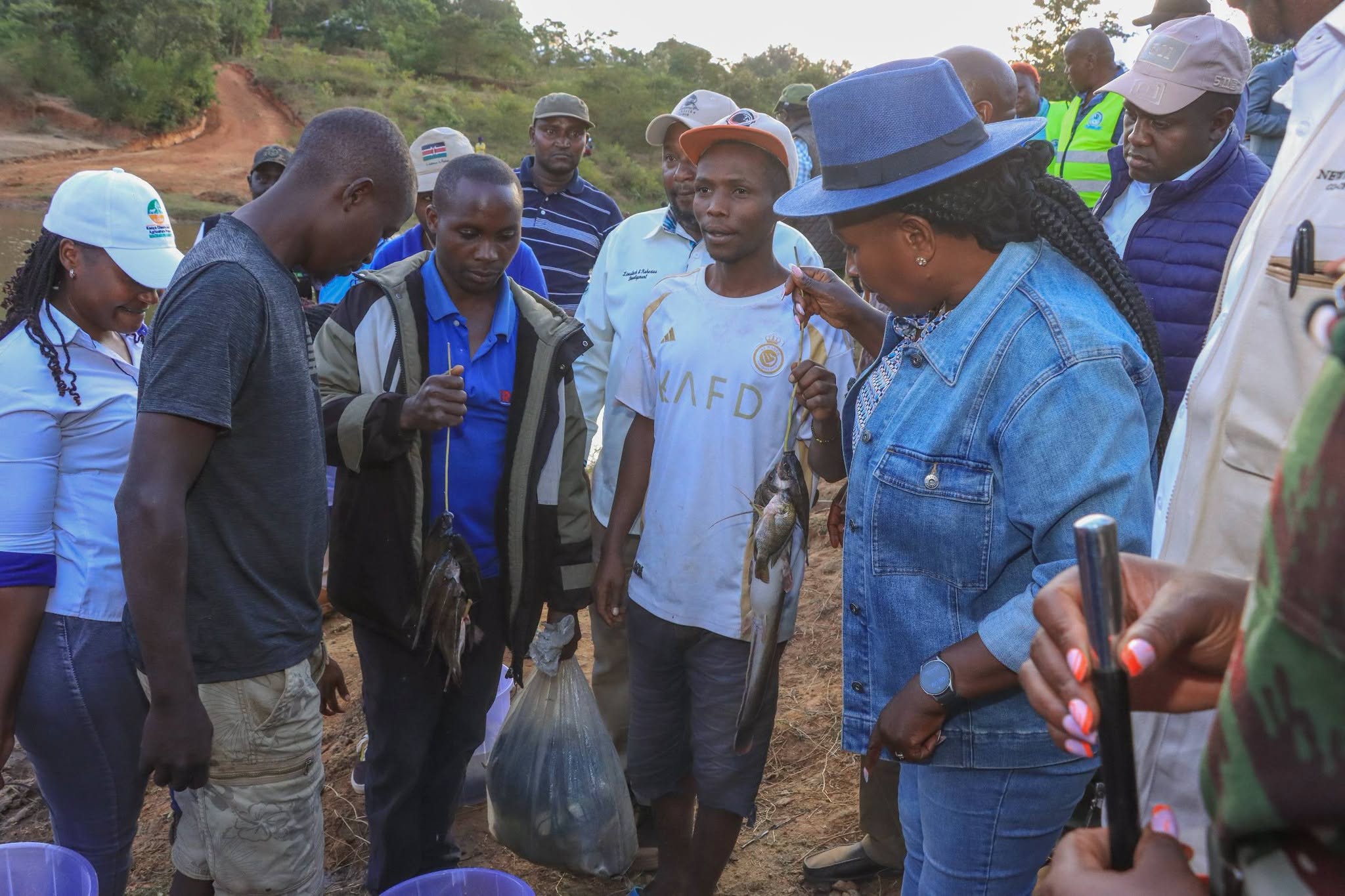

Milk quality is one of the most important factors in ensuring the production of safe and high-quality dairy products. During the Nakuru ASK Show, the Kenya Dairy Board educated farmers and consumers on the Clot on Boiling (COB) Test, a simple but effective method used to determine whether fresh milk is suitable for processing.
The Clot on Boiling Test works by heating a small sample of milk in a clean test tube or metal spoon until it reaches boiling point. If the milk remains smooth and free-flowing after boiling, it is considered stable and suitable for processing into products such as pasteurized milk, yoghurt, or cheese. However, if the milk forms clots, curdles, or separates into solid particles and liquid, it has failed the test.
)
Milk fails the COB test mainly because of high acidity. This usually happens when bacteria multiply due to poor hygiene, delayed cooling, or prolonged storage after milking. As bacteria grow, they convert lactose into lactic acid, increasing the milk's acidity. The increased acidity causes milk proteins, especially casein, to coagulate when heated, resulting in visible clots.
The Kenya Dairy Board emphasized that the COB test is a quick screening tool used by milk collection centres and processors before accepting raw milk. It helps prevent poor-quality milk from entering the processing chain, reducing product losses and protecting consumers.

To ensure milk passes the Clot on Boiling Test, farmers should practice clean milking, use sanitized equipment, cool milk immediately after milking, and transport it under hygienic conditions. By following these good dairy practices, farmers can deliver quality milk, earn better returns, and contribute to a safer and more profitable dairy industry in Kenya.