Poultry farming in Kenya is one of the most profitable and accessible agribusiness ventures today. With the growing demand for eggs and chicken meat, many farmers are turning to poultry as a reliable source of income and food security. Starting a poultry farm, however, requires proper planning, resources, and management to succeed.
First, you need a clear business plan and purpose. Decide whether you want to rear broilers for meat, layers for eggs, or kienyeji (indigenous) chickens for both. Each type has different feeding, housing, and market requirements. For example, broilers mature quickly within 4–6 weeks, while layers start producing eggs after about five to six months. Having a plan helps you estimate costs, target your market, and manage your farm effectively.
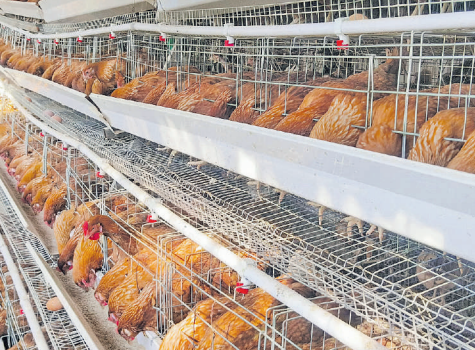
Secondly, land and housing (poultry structure) are essential. Chickens need a clean, well-ventilated, and secure house to protect them from harsh weather, diseases, and predators. Housing systems may include deep litter, cages, or free-range setups depending on your scale and budget. Proper spacing and hygiene are key to preventing disease outbreaks.
Another critical requirement is quality chicks or breeding stock. Always buy chicks from reputable hatcheries to ensure they are healthy and vaccinated. Good quality birds grow faster, produce more eggs, and have lower mortality rates.
You also need feeds and clean water supply. Feeding accounts for the largest cost in poultry farming, sometimes up to 70% of total expenses. Different feeds are required at different stages, including starter, grower, finisher, and layer feeds. Clean water must be available at all times to keep the birds healthy and productive.
In addition, proper equipment is necessary. These include feeders, drinkers, brooders (for chicks), lighting systems, and egg trays. Equipment helps reduce waste, improve efficiency, and maintain hygiene in the farm.
Health management is another key factor. Farmers must follow vaccination schedules, maintain cleanliness, and practice biosecurity to prevent common poultry diseases. Regular monitoring ensures early detection and treatment of illnesses.
Finally, you need a ready market. Poultry products such as eggs and meat are in high demand in homes, hotels, and markets across Kenya. With good planning, proper care, and consistent management, poultry farming can become a sustainable and profitable business venture. What can you advise about Poultry farming ?