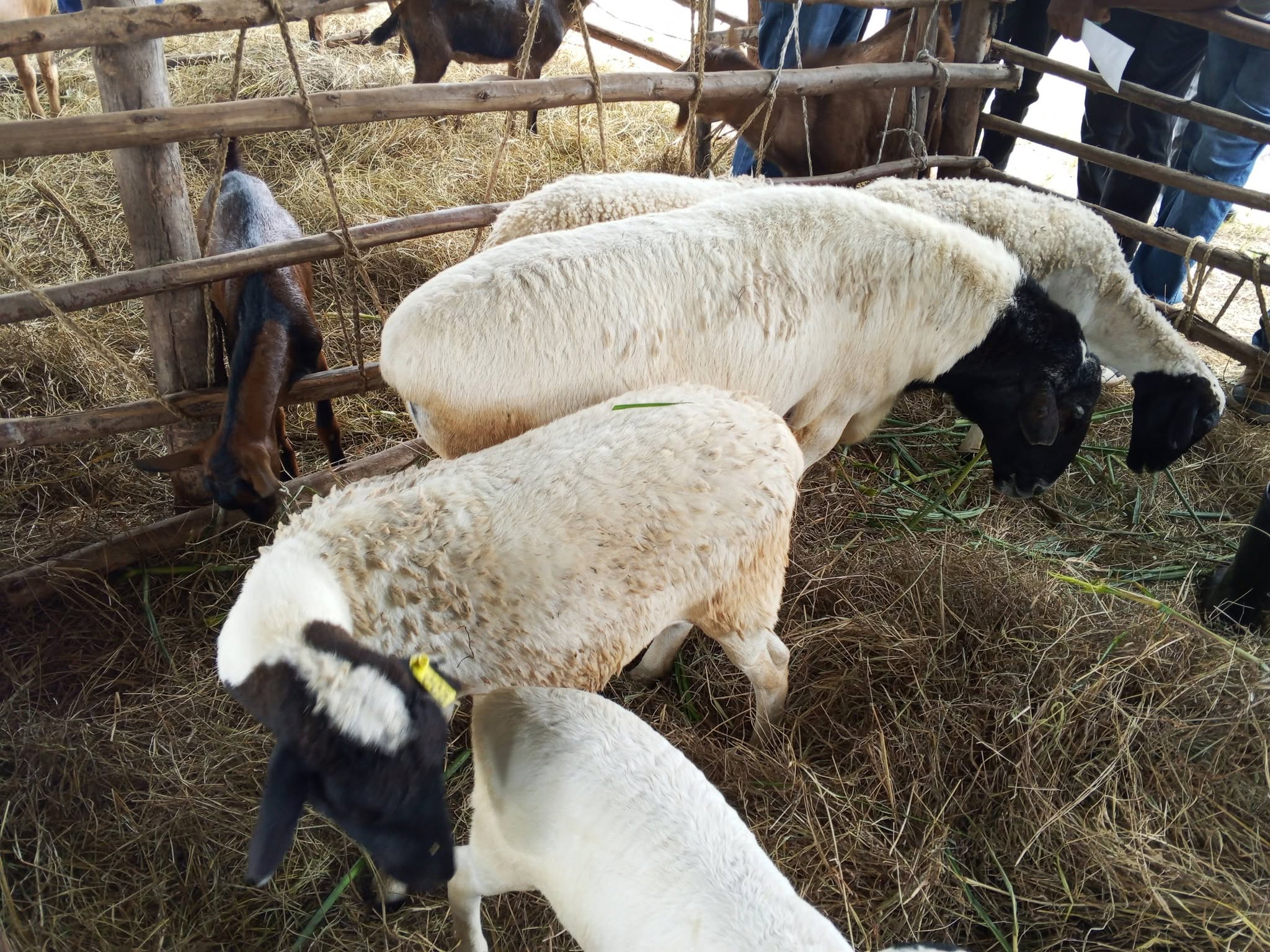
Many farmers know the Dorper sheep as a fast-growing meat sheep, but there are several lesser-known facts that make it one of the most profitable livestock enterprises.
One of the biggest secrets about Dorper farming is that these sheep are highly adaptable. They can thrive in both dry and semi-arid regions where other breeds may struggle. This makes them ideal for many parts of Kenya, especially areas that experience frequent droughts.

Another little-known advantage is their low maintenance requirements. Unlike wool sheep, Dorpers naturally shed their hair and wool mixture, reducing the need for costly and labor-intensive shearing. This helps farmers save money while maintaining healthy animals.
Dorper sheep are also known for their excellent feed conversion. They can gain weight quickly on relatively modest feeding programs when pasture and supplements are managed properly. Their ability to browse shrubs and different types of vegetation gives them an advantage over some livestock species that depend heavily on grass.

Many farmers are unaware that Dorpers have strong maternal instincts. Ewes are generally good mothers, producing healthy lambs with high survival rates. This can significantly increase flock growth and overall profitability.
The breed is also valued for its high-quality carcass and tender meat, which attracts strong demand from traders, butcheries, and consumers. As urban populations grow, the market for quality sheep meat continues to expand.

However, successful Dorper farming still requires proper disease control, strategic breeding, clean water, and adequate nutrition. Farmers who focus on good flock management can achieve impressive returns from a relatively small number of animals. For many livestock keepers, Dorper sheep are more than just a meat breed—they are a resilient, profitable, and climate-smart investment for modern farming.