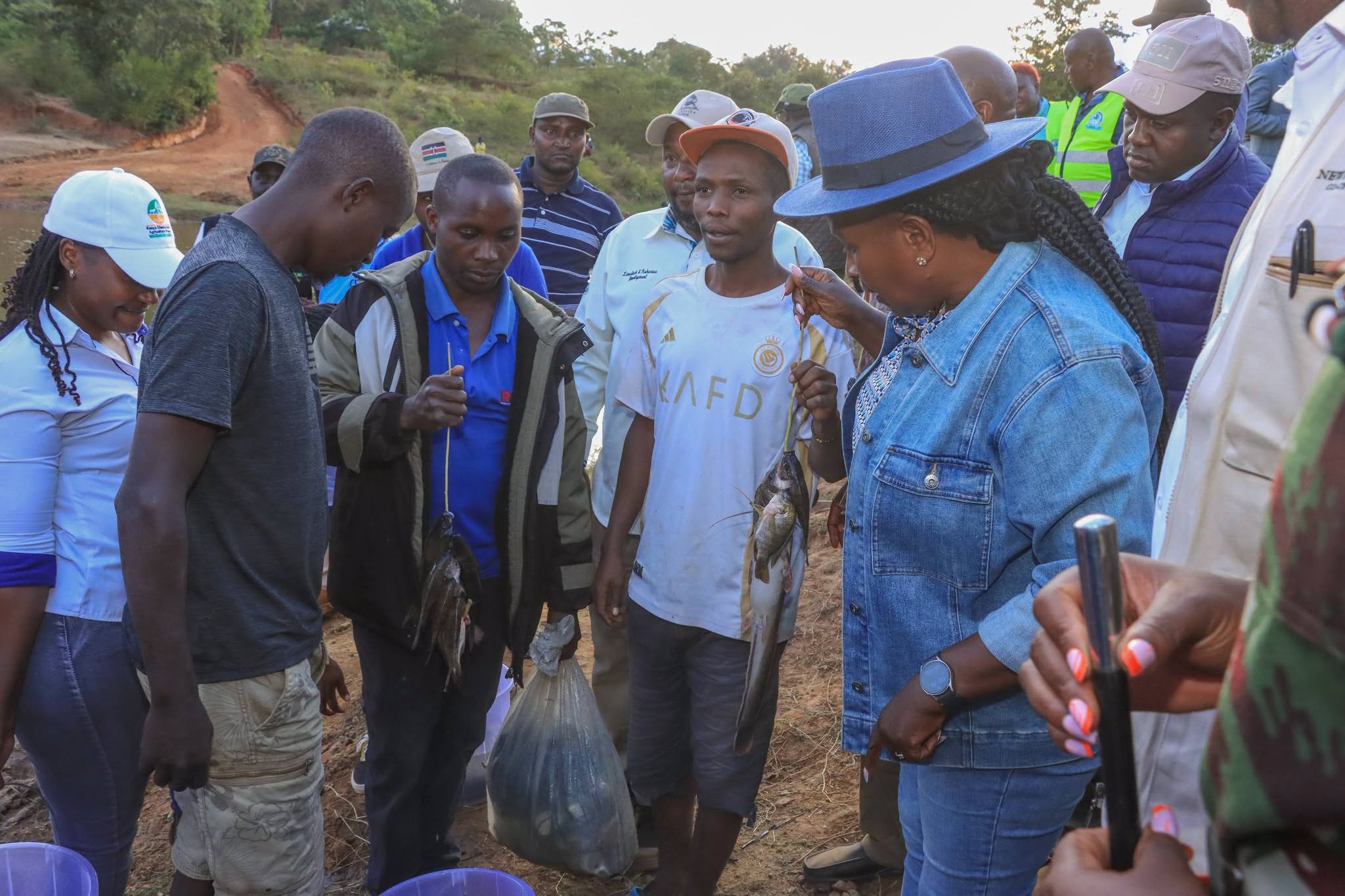
Pigeon pea farming took center stage during the 2026 Makueni Agricultural Show, where the International Crops Research Institute for the Semi-Arid Tropics (ICRISAT) showcased the improved ICPV 242029 pigeon pea variety. The drought-tolerant crop attracted many farmers seeking resilient and profitable farming options suitable for Makueni's semi-arid conditions.
According to the exhibition, the ICPV 242029 variety should be planted at a spacing of 50 cm by 15 cm to ensure proper plant growth and maximum productivity. The variety matures in just 90 days, making it one of the earliest maturing pigeon pea varieties available. It has the potential to produce 1.8 to 2 tonnes of grain per hectare, offering farmers excellent returns compared to many traditional varieties.

One unique advantage of this variety is its dual-purpose nature. Besides producing grain, the young leaves can also be harvested and consumed as nutritious green vegetables, providing families with an additional source of vitamins and minerals while creating another income stream for farmers.
The improved pigeon pea is well adapted to dryland agriculture because it can withstand prolonged dry spells and requires relatively low production inputs. Its deep rooting system enables the crop to access moisture from deeper soil layers, making it highly reliable even during unpredictable rainfall seasons. Additionally, pigeon peas improve soil fertility by fixing nitrogen naturally, reducing the need for expensive nitrogen fertilizers and benefiting crops planted in rotation.

Agricultural experts at the show encouraged farmers to adopt improved pigeon pea varieties as part of climate-smart farming practices. With rising demand for pigeon peas in both local and export markets, the crop presents a profitable agribusiness opportunity. The ICPV 242029 variety demonstrates that modern agricultural research can equip farmers with resilient, high-yielding crops that enhance food security, nutrition, and household incomes while supporting sustainable farming in Kenya's dryland regions.