Starting a simple dairy cattle farming project at home can be a rewarding venture, both nutritionally and financially. With proper planning, even small-scale farmers can produce enough milk for family use and generate extra income. The first step is selecting the right breed. In many regions, crossbreeds such as Friesian or Ayrshire are preferred because they produce more milk compared to indigenous breeds. However, local breeds are more resistant to diseases and adapt better to harsh conditions, so a balance is important.
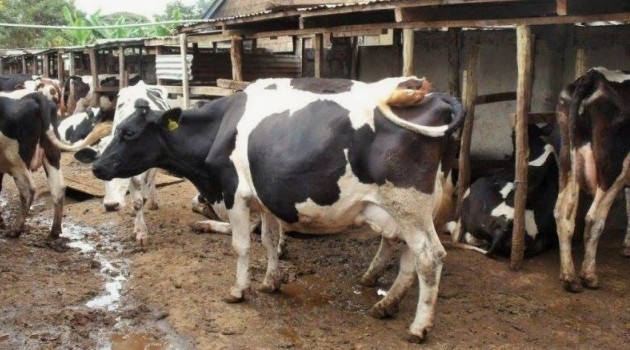
Housing is another critical factor. Dairy cattle require a clean, well-ventilated, and dry shelter to stay healthy and productive. A simple cowshed can be constructed using locally available materials, ensuring it protects the animals from rain, wind, and excessive heat. The floor should be slightly sloped for easy drainage, and regular cleaning is essential to prevent infections.
Feeding plays a major role in milk production. Cows need a balanced diet consisting of roughage (such as grass, hay, or silage) and concentrates (like dairy meal). Napier grass is commonly used due to its high yield and nutritional value. Clean water should always be available, as a dairy cow can drink up to 50–100 liters per day. Supplementing with minerals and vitamins also improves productivity and overall health.
Health management should never be overlooked. Regular vaccination and deworming help prevent common diseases. Farmers should also maintain hygiene during milking to avoid contamination and mastitis, a common udder infection. Observing the animals daily helps detect early signs of illness, making treatment easier and more effective.
Breeding management is key to sustaining milk production. A cow should calve regularly to maintain a steady milk supply. Farmers can use artificial insemination services or natural breeding, depending on availability. Keeping proper records of breeding, calving, and milk yield helps in monitoring performance and making informed decisions.
Finally, marketing surplus milk can boost household income. Selling to neighbors, local markets, or dairy cooperatives ensures a steady cash flow. Value addition, such as making yogurt or butter, can further increase profits.
In conclusion, simple dairy cattle farming at home requires commitment, proper care, and basic knowledge. With good management practices in feeding, housing, health, and breeding, even small-scale farmers can succeed and enjoy the benefits of fresh milk and additional income. Have you ever did Dairy farming ?