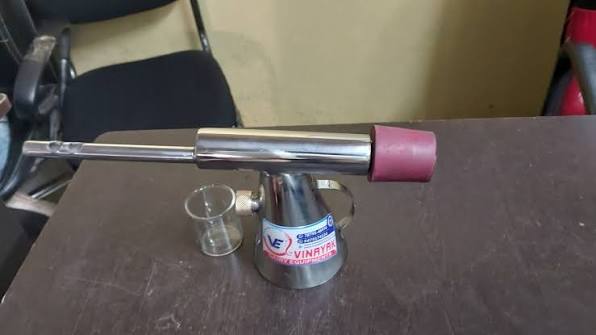

Quality milk begins with proper testing, and one of the quickest methods used by dairy farmers and milk collection centers is the Milk Gun Test, commonly known as the alcohol milk test. This simple yet effective procedure helps determine whether fresh milk is stable enough for processing before it reaches the market.
The test works by mixing equal amounts of fresh milk and an ethanol solution. About 5 millilitres of milk are combined with 5 millilitres of ethanol, which is standardized to approximately 80 percent using distilled water. The mixture is then observed for any signs of coagulation or clotting.

If the milk remains smooth without flakes, clots, or precipitation, it indicates that the milk is fresh, stable, and suitable for processing. However, if clots or flakes appear, the milk is considered unstable. This often points to increased acidity, bacterial contamination, poor handling, or milk that has begun to spoil. Such milk is likely to curdle during pasteurization or boiling, making it unsuitable for processing.
Compared to the traditional Clot-on-Boiling (COB) test, the Milk Gun Test is faster and more sensitive, allowing dairy handlers to identify poor-quality milk within seconds. This saves processors from unnecessary losses and ensures only high-quality milk enters the dairy value chain.
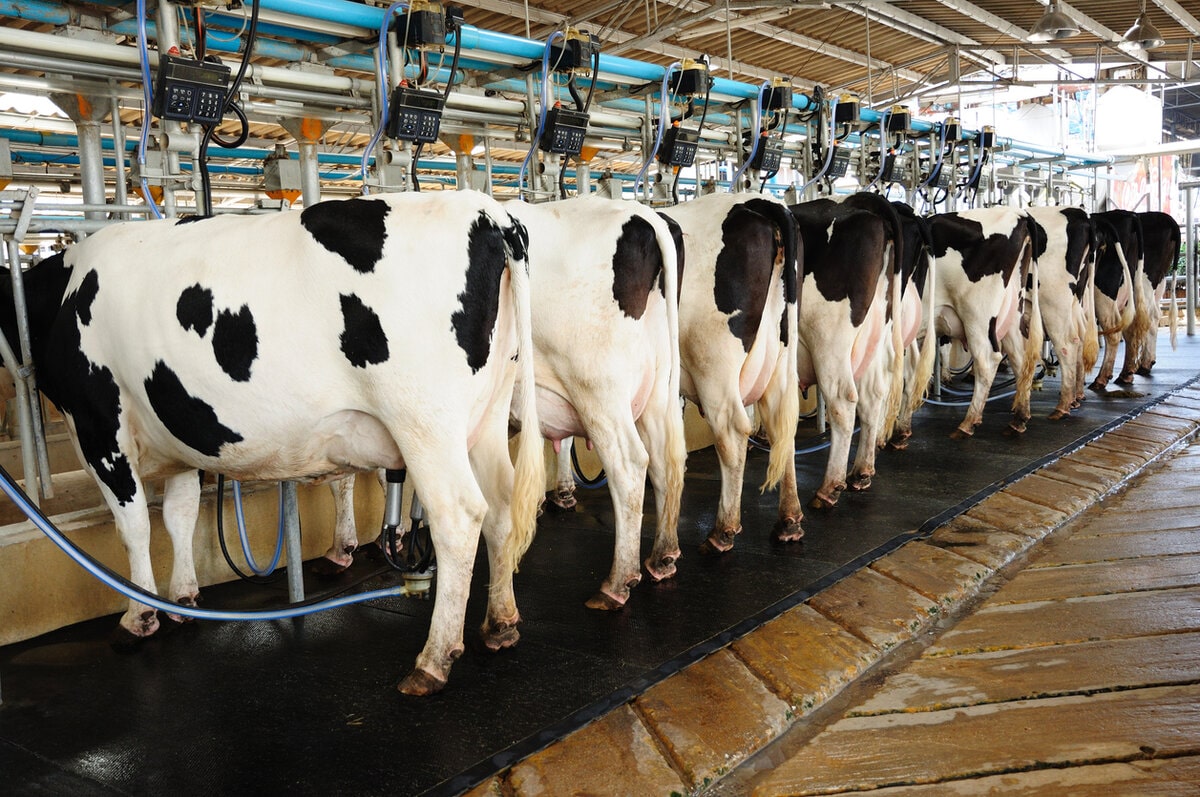
In Kenya, where the dairy sector supports millions of households, the Milk Gun Test has become an essential quality assurance tool. By helping farmers and milk collection centres detect unstable milk early, it promotes food safety, reduces wastage, improves consumer confidence, and rewards farmers who maintain proper hygiene and milk handling practices from the farm to the market.