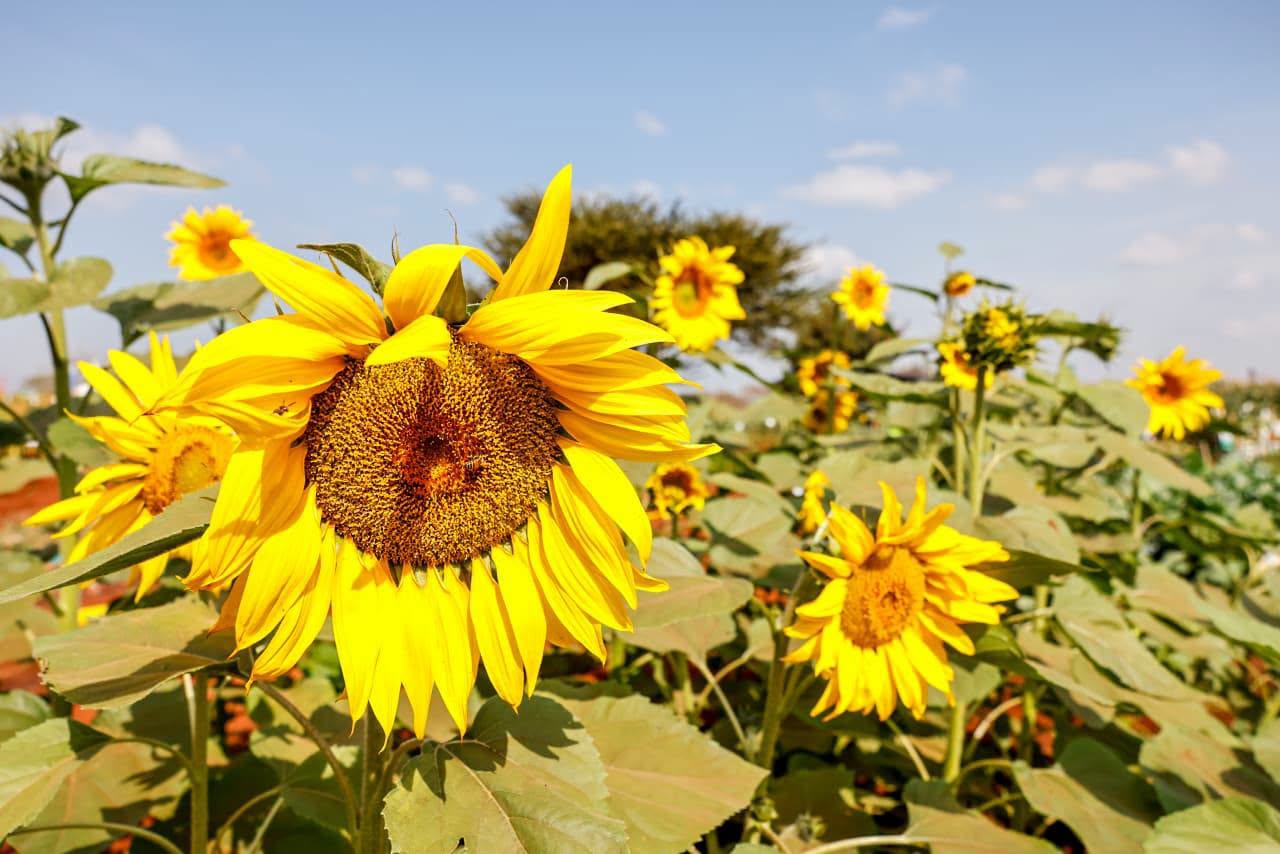

Sunflowers were among the eye-catching attractions at the 2026 Makueni Agricultural Show, not only because of their bright yellow blooms but also because of the vital role they play in improving agricultural production. Farmers and agricultural experts explained that sunflowers are more than an oilseed crop—they are natural pollinator magnets that help increase yields in nearby crops.
The large, nectar-rich flowers attract bees, butterflies and other beneficial insects. As these pollinators move from sunflower blooms to crops such as beans, pumpkins, watermelons, cucumbers, tomatoes and many fruit trees, they transfer pollen between flowers. This natural pollination improves fruit set, seed formation and crop quality, leading to higher yields and better farm productivity.
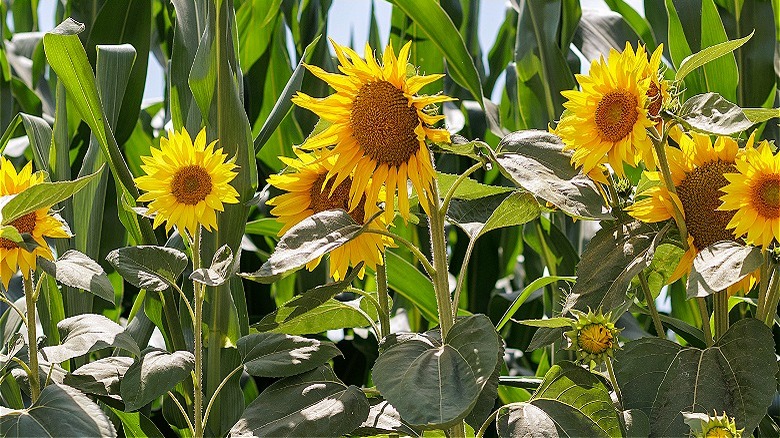
Farmers at the show noted that planting strips or borders of sunflowers around farms helps maintain healthy bee populations throughout the growing season. The increased presence of pollinators benefits neighbouring crops that rely on insect pollination, making sunflower an important companion crop in mixed farming systems.
Apart from supporting pollination, sunflower is a profitable cash crop. It matures within a relatively short period and produces seeds rich in high-quality edible oil. The seeds are also used in baking, animal feed and bird feed, while sunflower oil is valued for its healthy unsaturated fats and vitamin E content. The remaining seed cake after oil extraction is an excellent source of protein for livestock.

Sunflowers also contribute to sustainable agriculture by improving biodiversity, providing habitat for beneficial insects and reducing soil erosion through their extensive root systems. Their striking flowers can even attract tourists and visitors during flowering, creating opportunities for agritourism.
Farmers encouraged fellow growers to integrate sunflowers into their farming systems, emphasizing that the crop delivers multiple benefits—from attracting pollinators and enhancing the productivity of neighbouring crops to generating income through oil and seed production. As climate-smart agriculture continues to gain momentum, sunflower remains one of the most valuable crops for promoting biodiversity, food security and sustainable farming in Kenya.