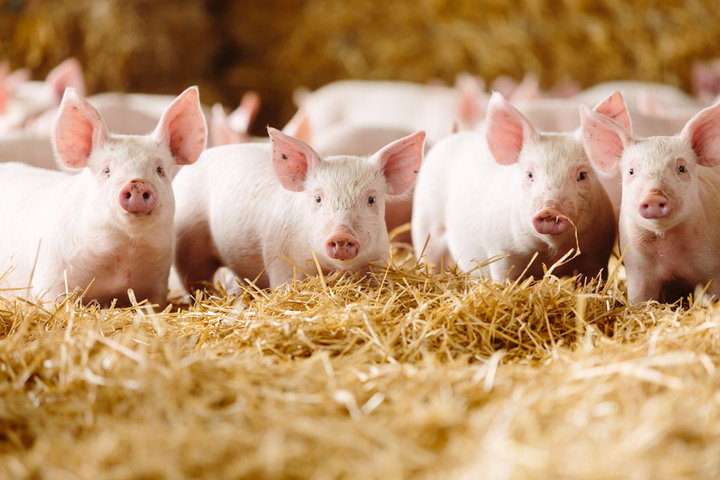
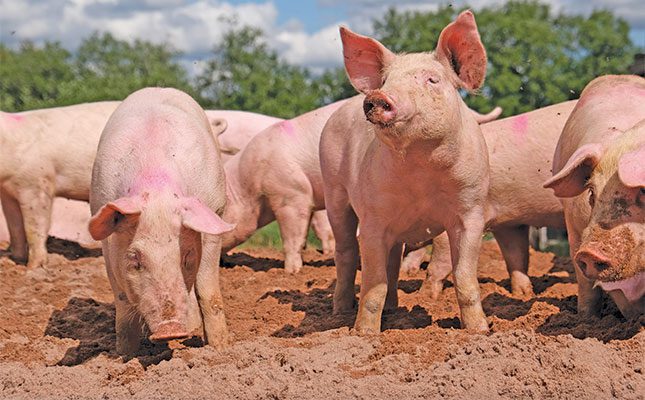
Pig farming has become one of the fastest-growing agricultural enterprises, providing farmers with a reliable source of income, employment opportunities, and an affordable supply of animal protein. Due to their rapid growth, high reproductive rate, and strong market demand, pigs are increasingly being reared by both small-scale and commercial farmers. However, while pig farming contributes significantly to food security and rural livelihoods, it also has notable environmental impacts that require proper management.
One of the main environmental concerns associated with pig farming is the production of large volumes of manure. If not properly handled, pig waste can contaminate rivers, groundwater, and nearby water sources with harmful bacteria and excess nutrients. The decomposition of manure also releases greenhouse gases such as methane and nitrous oxide, which contribute to climate change. Additionally, poorly managed pig farms can produce unpleasant odours and attract flies, affecting the quality of life of surrounding communities.

Despite these challenges, sustainable pig farming practices can greatly reduce environmental damage. Farmers are encouraged to invest in proper waste management systems, including biogas digesters that convert pig manure into clean cooking gas and organic fertilizer. Regular cleaning of pig houses, proper drainage, and responsible disposal of waste also help maintain hygiene while protecting the environment. Planting trees around pig farms can reduce odours and improve air quality.
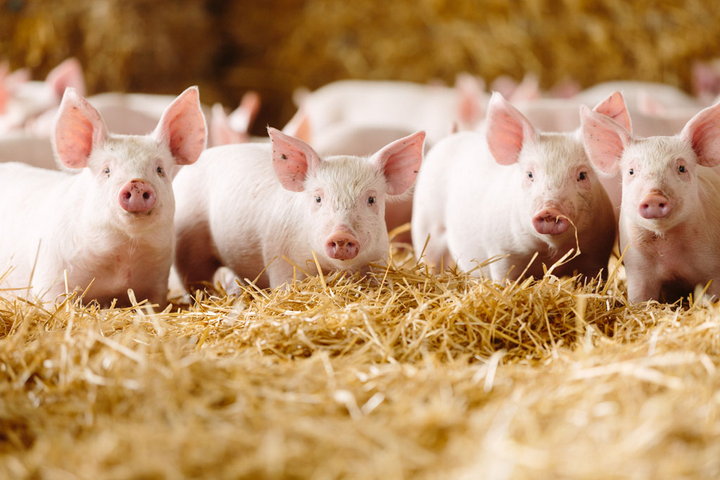
With good environmental stewardship, pig farming can remain both profitable and sustainable. By embracing modern farming technologies and responsible waste management, farmers can increase production while safeguarding natural resources. Sustainable pig farming not only protects ecosystems but also ensures healthier communities, improved farm productivity, and long-term economic benefits for future generations.