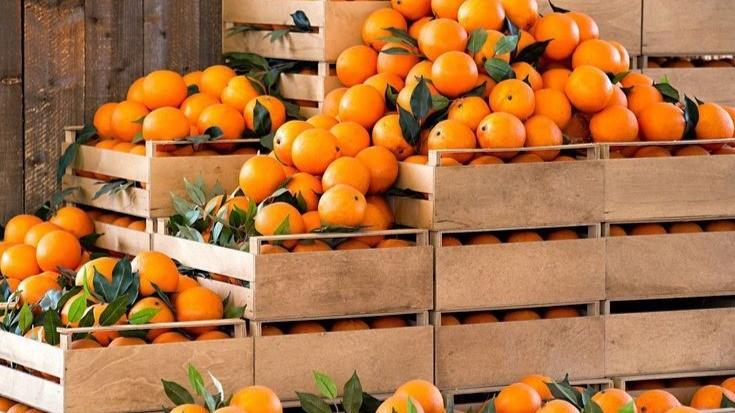
Pixie oranges have become one of the most profitable fruits in Kenya due to their sweet taste, seedless nature, and high demand in local and export markets. The fruit is mainly grown in areas such as Makueni, Kitui, Machakos, Murang’a, and parts of the Coast region where the climate favors citrus farming.
In the Kenyan market, the price of Pixie oranges changes depending on the season, quality, and supply. During the peak harvesting season, a single Pixie orange can retail between KSh 10 and KSh 20 in local markets. A small sack may sell for between KSh 2,500 and KSh 4,000. However, during dry seasons when supply is low, prices rise sharply, with one fruit going up to KSh 30 or even KSh 40 in supermarkets and urban markets like Nairobi and Mombasa.
Outside Kenya, Pixie oranges attract even better prices, especially in export markets such as the Middle East and parts of Europe. Export-quality Pixies are carefully sorted, cleaned, and packed before shipping. International buyers prefer the fruit because it is juicy, sweet, and easy to peel. Farmers involved in export farming can earn much higher profits compared to selling in local markets.
Pixie farming is profitable because one mature tree can produce hundreds of fruits every season. With proper irrigation, pest control, and fertilizer application, farmers can harvest consistently and supply both local traders and exporters. Many farmers are now shifting to Pixie farming because of the growing demand and reliable income.
As the market for healthy fruits continues to grow, Pixie oranges are proving to be a golden opportunity for Kenyan farmers looking to increase their earnings and improve their livelihoods.