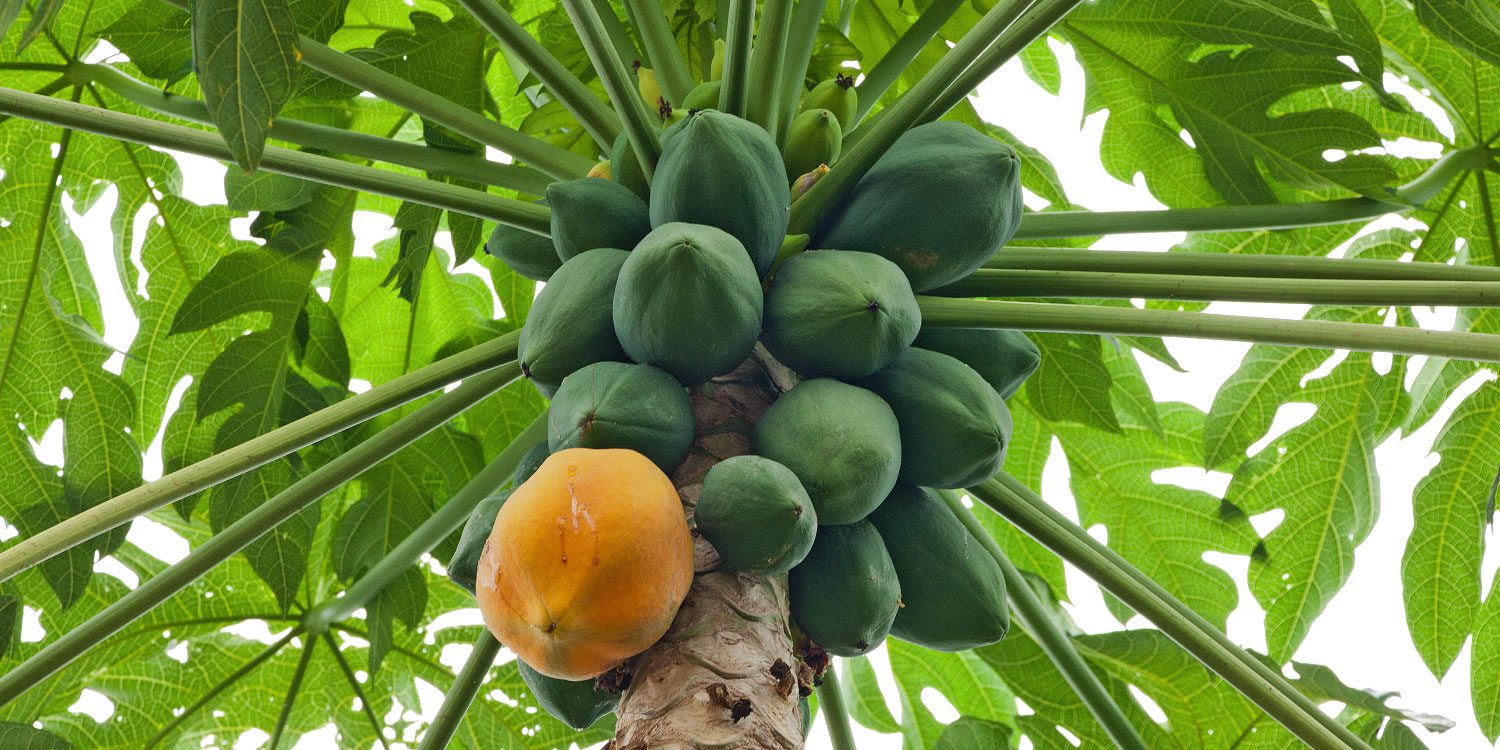
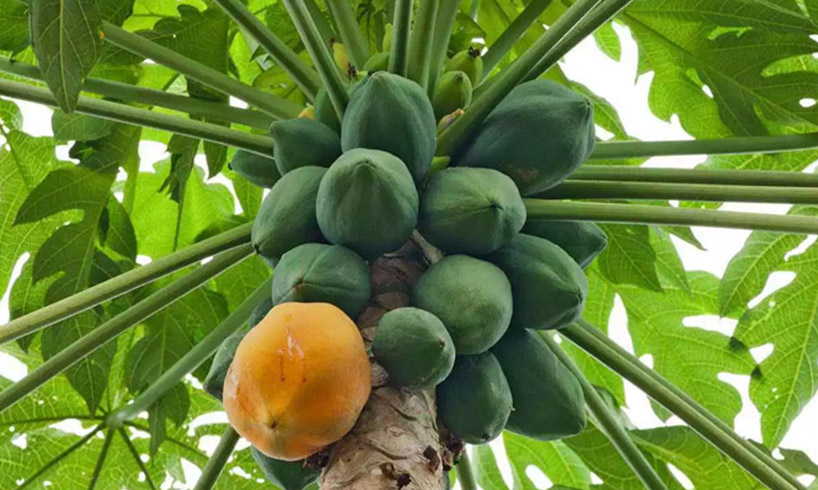
Pawpaw farming is rapidly emerging as one of the most rewarding agribusiness opportunities for Kenyan farmers due to its high market demand, fast maturity, and impressive returns. With proper management, pawpaw trees begin producing fruits within eight to twelve months after planting, allowing farmers to start earning income much sooner than with many other fruit crops.
The crop thrives in warm climates with well-drained soils, making it suitable for many regions across Kenya. A healthy pawpaw tree can produce between 30 and 100 fruits annually, depending on the variety and farming practices. The fruits are highly sought after in local markets, supermarkets, hotels, juice processing industries, and for export, ensuring a ready market throughout the year.
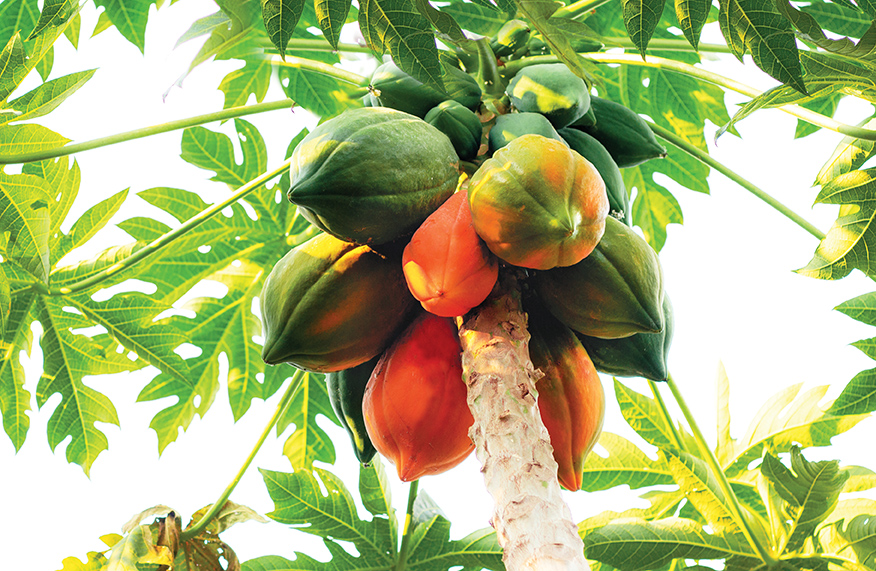
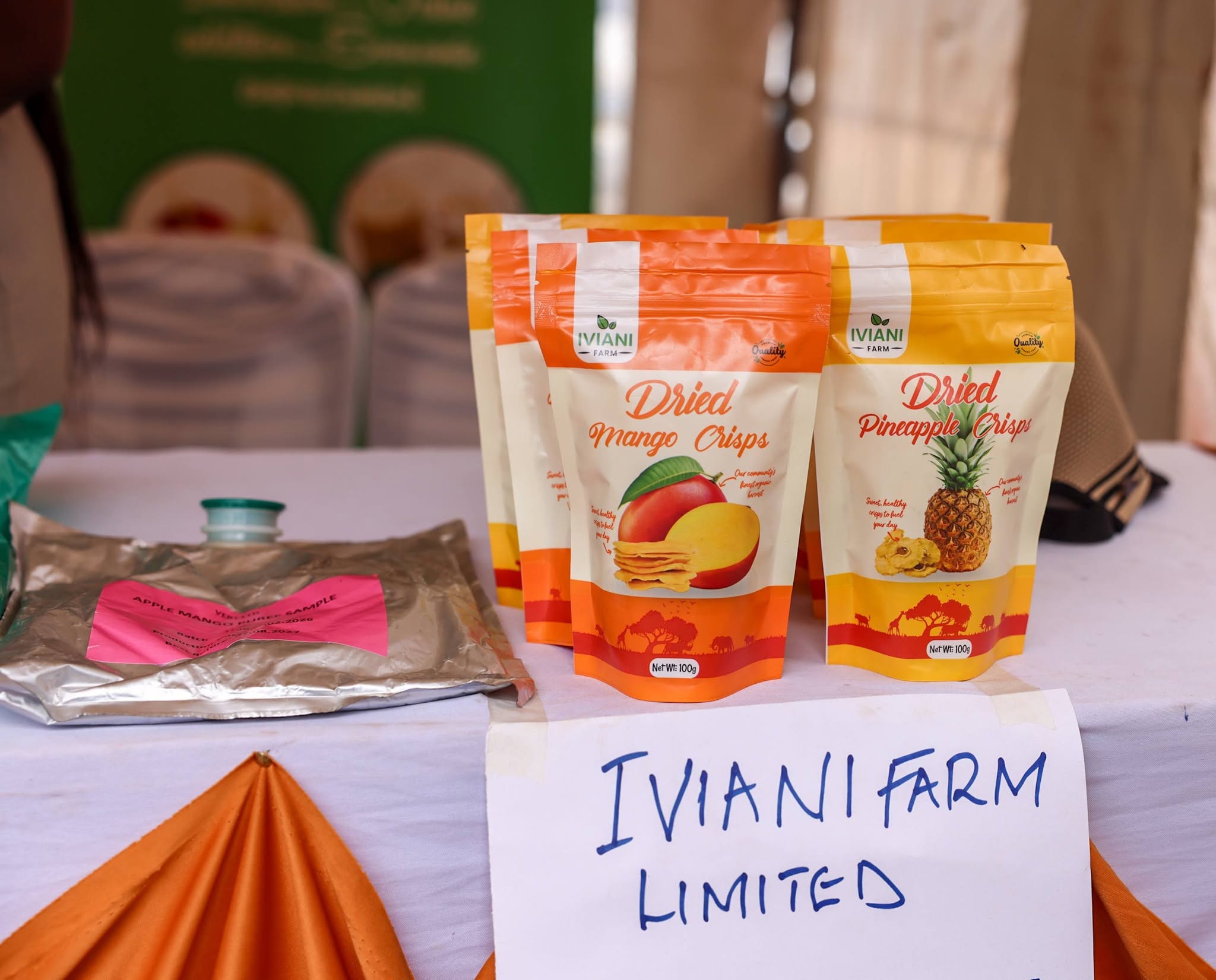
Beyond selling fresh fruits, farmers can increase their earnings by processing pawpaw into juice, jam, dried fruit, and other value-added products. Pawpaw seeds also have commercial value, while the fruit's nutritional benefits make it increasingly popular among health-conscious consumers. Rich in vitamins A and C, antioxidants, and digestive enzymes, pawpaw continues to attract strong consumer demand.
Success in pawpaw farming depends on selecting quality seedlings, maintaining proper spacing, regular irrigation during dry periods, effective pest and disease management, and timely harvesting. Farmers are also encouraged to adopt modern farming techniques and seek guidance from agricultural extension officers to maximize productivity.

As Kenya continues to promote agribusiness as a driver of economic growth, pawpaw farming presents an excellent opportunity for youth, women, and small-scale farmers seeking sustainable income. With relatively low production costs and continuous harvesting throughout the year, pawpaw is proving that a small piece of land can be transformed into a thriving and profitable business.