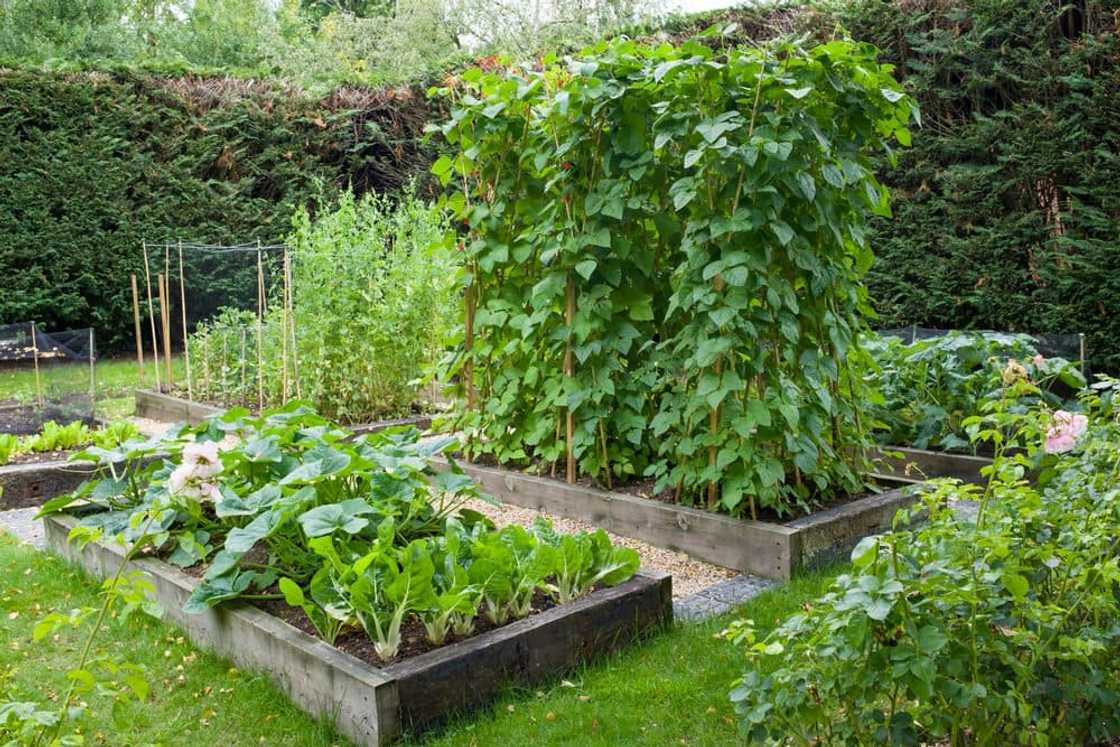
A kitchen garden is one of the simplest and most rewarding ways for families to improve their lives. Whether planted in a backyard, along a fence, or even in containers, kitchen gardens provide fresh vegetables, fruits, and herbs right at home.
One major importance of having a kitchen garden is access to fresh and healthy food. Vegetables harvested directly from the garden are rich in nutrients because they are eaten fresh. Families can enjoy tomatoes, spinach, onions, sukuma wiki, coriander, and many other crops without depending fully on the market.

Kitchen gardens also help save money. Buying vegetables daily can be expensive, especially during dry seasons when prices rise. By growing food at home, families reduce household expenses and use the savings for other important needs.
Another benefit is food security. During tough economic times or shortages, a kitchen garden ensures there is always something to cook. This is especially important in rural and urban homes where access to fresh produce may sometimes be limited.

Kitchen gardens also promote environmental conservation. Organic waste such as vegetable peelings can be turned into compost manure, reducing waste while improving soil fertility. In addition, growing plants around the home helps improve air quality and beautifies the compound.

Lastly, kitchen gardening can become a source of income. Surplus vegetables can be sold to neighbors or local markets, helping families earn extra money. Indeed, a kitchen garden may be small in size, but its benefits are truly enormous.