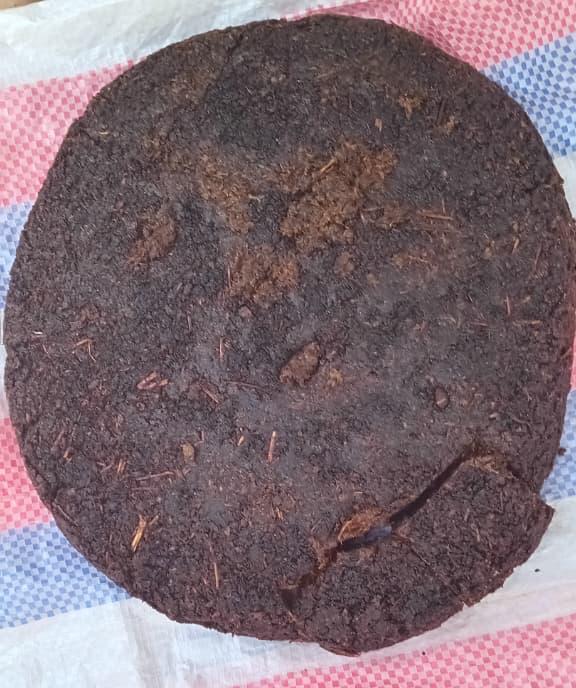
For generations, traditional black wax has played an important role in attracting bees into hives. Many experienced farmers and beekeepers still prefer this natural method because it is affordable, effective, and environmentally friendly. The dark wax is usually made from old honeycombs, propolis, and natural bee residues collected from previous colonies. Its strong scent is what makes it highly attractive to bees searching for a new home.
Bees naturally communicate and identify safe nesting places through smell. Traditional black wax carries the familiar scent of beeswax, honey, pollen, and propolis. When smeared inside a new hive, the smell convinces scout bees that the hive was once occupied by another healthy colony. This increases the chances of a swarm settling inside the hive.
The black color of the wax also helps absorb warmth from the sun. Bees prefer warm and secure places because warmth supports brood development and honey production. A hive coated with traditional black wax creates a more comfortable environment, especially during cold nights or rainy seasons.
Many rural beekeepers in Kenya use black wax when setting up log hives, Kenya Top Bar Hives, and Langstroth hives. Some mix the wax with propolis or lemon grass leaves to produce an even stronger attraction scent. Applying the wax near the hive entrance and on inner walls improves effectiveness.
Using traditional black wax is a simple but powerful beekeeping practice. It helps farmers attract bees naturally, reduce colony migration, and improve honey production without using harmful chemicals. For small-scale farmers, this traditional knowledge remains one of the best secrets to successful beekeeping.