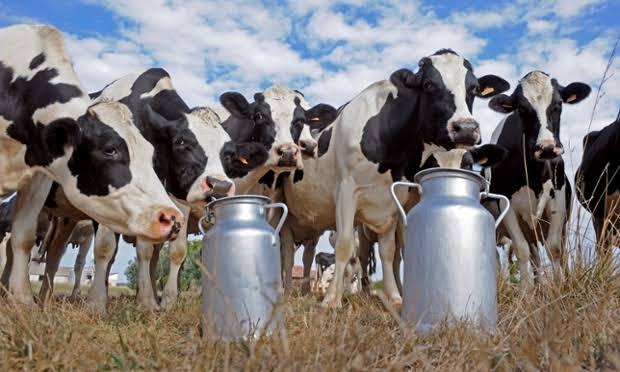

During the Nakuru ASK Show, the Kenya Dairy Board educated farmers on the importance of using aluminium and stainless steel milk cans for handling and transporting milk. The message was clear: the quality of milk depends not only on healthy cows but also on how the milk is stored and transported.
Milk is a highly perishable product that can easily be contaminated by bacteria if handled using unsuitable containers. Aluminium and stainless steel cans are recommended because they are food-grade materials that do not react with milk. They help preserve the natural taste, smell, and nutritional value of milk while preventing harmful chemical contamination.

Another key advantage of these cans is that they are easy to clean and disinfect. Their smooth surfaces do not trap dirt, bacteria, or milk residues, reducing the risk of spoilage and ensuring farmers deliver safe, high-quality milk to collection centres and processors.
Unlike plastic containers, aluminium and stainless steel cans are durable and resistant to cracking, rust, and corrosion. They can withstand daily use on farms and during transportation, making them a cost-effective investment for dairy farmers. They also help maintain milk at a stable temperature for longer, slowing bacterial growth before the milk reaches the cooling centre.

The Kenya Dairy Board encouraged farmers to avoid using ordinary plastic containers, which are difficult to clean thoroughly and can harbour bacteria that reduce milk quality. Using approved milk cans not only protects consumer health but also helps farmers earn better prices by delivering premium-quality milk.
By investing in aluminium and stainless steel milk cans, dairy farmers are investing in food safety, higher incomes, and a stronger, more competitive dairy industry in Kenya.