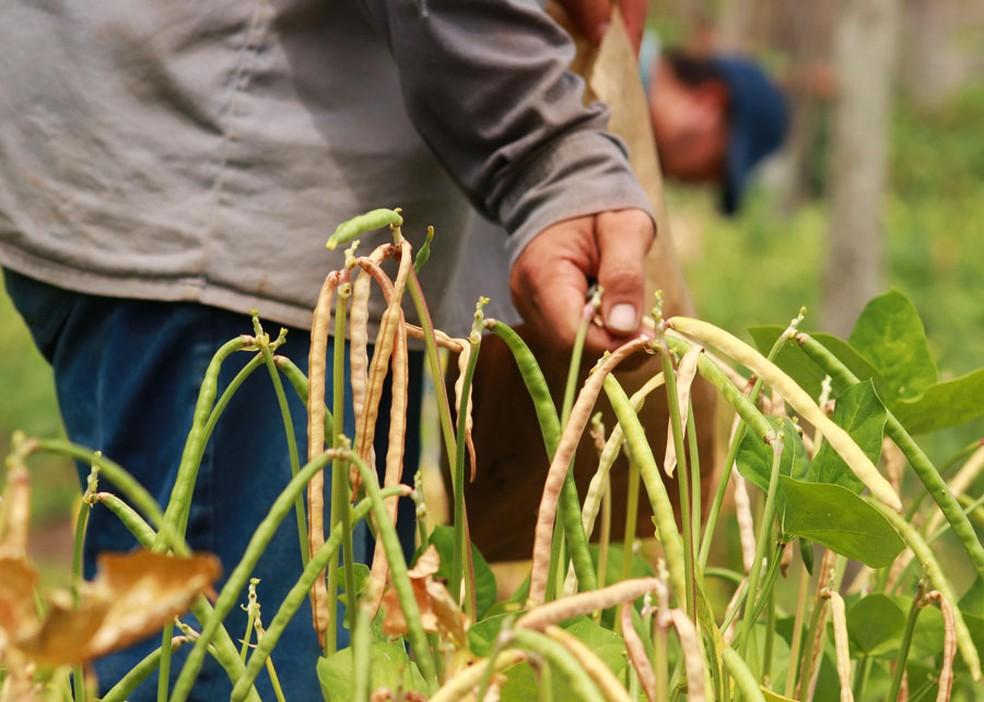

Cowpeas farming has become one of the most dependable and profitable agricultural enterprises in Kenya's Lower Eastern region. At the Makueni Agricultural Show 2026, agricultural experts showcased the crop as an ideal solution for farmers living in semi-arid areas such as Makueni, Kitui, Machakos, and Taita Taveta. Due to its drought tolerance and multiple uses, cowpeas continue to improve food security and household incomes across the region.
According to the exhibitors, cowpeas perform exceptionally well in Lower Eastern because they require relatively little rainfall and can thrive in hot temperatures. The crop grows well in sandy and well-drained soils commonly found in the region and matures within 60 to 90 days, allowing farmers to harvest before the dry season begins.

One of the greatest advantages of cowpeas is that nearly every part of the plant is useful. The fresh leaves are harvested as a nutritious vegetable rich in vitamins, iron, and calcium, while the dry grains provide an excellent source of protein, making them an affordable alternative to meat. After harvesting, the stems and leaves serve as nutritious livestock fodder, especially during dry periods when pasture is scarce.
Agricultural experts also explained that cowpeas naturally improve soil fertility by fixing nitrogen into the soil, reducing the need for expensive fertilizers. This makes the crop an excellent choice for crop rotation with maize, sorghum, and millet, leading to higher yields in subsequent planting seasons.

Farmers were encouraged to plant certified seed varieties, prepare their land early, control weeds promptly, and protect the crop from pests to achieve high productivity. With a ready market for both the leaves and grains, cowpeas provide farmers with multiple sources of income throughout the growing season.
The Makueni Agricultural Show 2026 demonstrated that cowpeas are more than just a traditional crop—they are a climate-smart, drought-resistant enterprise that promotes food security, improves soil health, supports livestock production, and generates sustainable incomes for farming families across Lower Eastern Kenya.