Green grams (mung beans) continue to prove why they are among the most reliable and profitable crops for farmers in Kenya's Lower Eastern region. At the Makueni Agricultural Show 2026, agricultural experts explained that the crop is well suited to the semi-arid conditions of Makueni, Kitui, Machakos, and parts of Embu due to its resilience and short growing period.
According to the experts, green grams perform exceptionally well because they require relatively little rainfall compared to crops such as maize. The crop needs between 300 and 600 millimetres of rainfall, making it ideal for areas that experience short and unpredictable rainy seasons. It also matures within 60 to 90 days, allowing farmers to harvest before the dry season sets in.

Another advantage is its ability to improve soil fertility. Green grams belong to the legume family and naturally fix nitrogen in the soil through beneficial bacteria found in their roots. This reduces the need for nitrogen fertilizers while leaving the soil healthier for the next crop.
The crop is also highly profitable due to strong demand in local and export markets. Green grams are widely used in preparing nutritious meals, including stews, soups, and porridge. They are rich in protein, fibre, iron, folate, and other essential nutrients, making them an important food for children, expectant mothers, and the elderly.

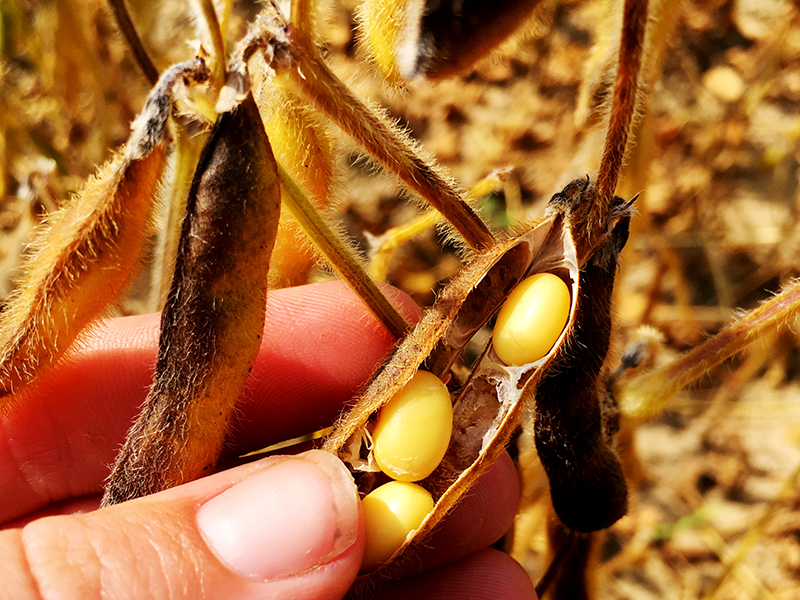
Farmers were advised to plant certified seed varieties, prepare their land early, maintain proper spacing, control weeds promptly, and harvest when the pods turn brown to minimize losses.
As climate change continues to affect rainfall patterns, green grams offer a practical solution for farmers in Lower Eastern Kenya. Their drought tolerance, low production costs, high nutritional value, and ready market make them one of the best climate-smart crops for improving household incomes and enhancing food security in the region.