Poultry farming is rapidly becoming one of the most profitable agribusiness ventures in Kenya as more farmers turn to chicken rearing for income, food security, and employment. From rural villages to urban centres, the demand for chicken meat and eggs continues to rise, making poultry farming a booming business across the country.
One major reason behind the growth of poultry farming is the increasing consumption of white meat. Many families now prefer chicken because it is affordable, nutritious, and easy to prepare. Hotels, restaurants, supermarkets, and fast-food outlets also require a steady supply of chicken products every day, creating a ready market for farmers.

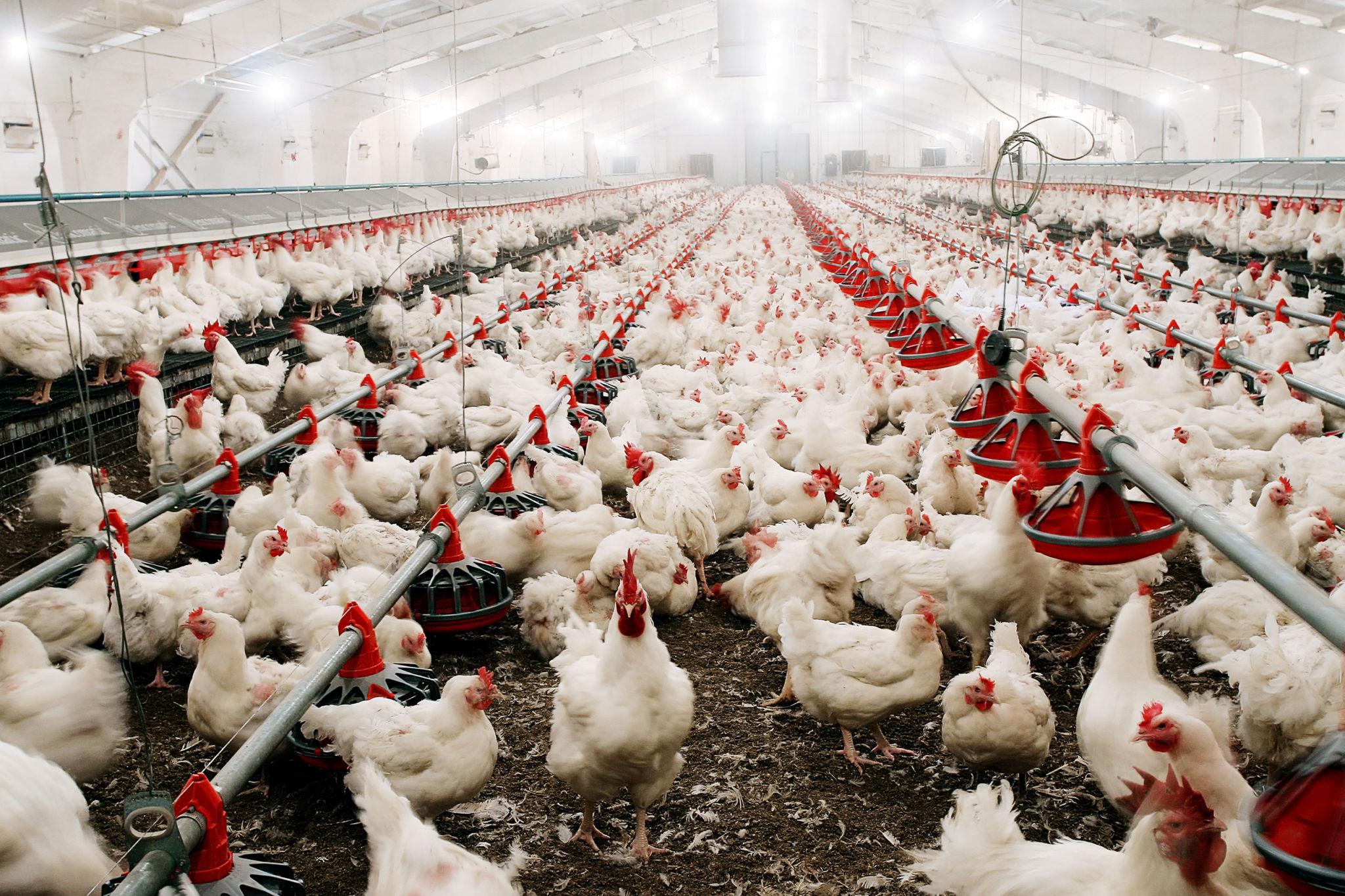
Unlike other forms of farming, poultry requires less land and can start with a small amount of capital. A farmer can begin with just a few chicks and gradually expand the business. Indigenous chicken, layers, and broilers are the most common types reared in Kenya. Layers are kept for egg production, while broilers are raised for meat.
Another reason poultry farming is growing is the short production cycle. Broilers can be sold within six to eight weeks, allowing farmers to earn profits quickly. Layers also begin laying eggs after about five months, providing a regular source of daily income.

Modern technology and improved farming methods have also boosted poultry production. Farmers now use improved breeds, vaccination programmes, quality feeds, and modern housing systems to increase productivity and reduce diseases. Social media and online marketing have further helped farmers connect directly with customers.
Youth and women groups are also embracing poultry farming because it offers self-employment opportunities. Many county governments and agricultural organisations are supporting poultry projects through training and chick distribution programmes.

However, successful poultry farming requires proper management. Farmers must maintain cleanliness, provide balanced feeds, vaccinate birds, and ensure adequate water supply. Disease outbreaks and high feed costs remain major challenges affecting the sector.
Despite these challenges, poultry farming continues to attract many Kenyans due to its profitability and growing demand. As the population increases and urbanisation expands, the chicken business is expected to remain one of the strongest pillars of Kenya’s agricultural economy.