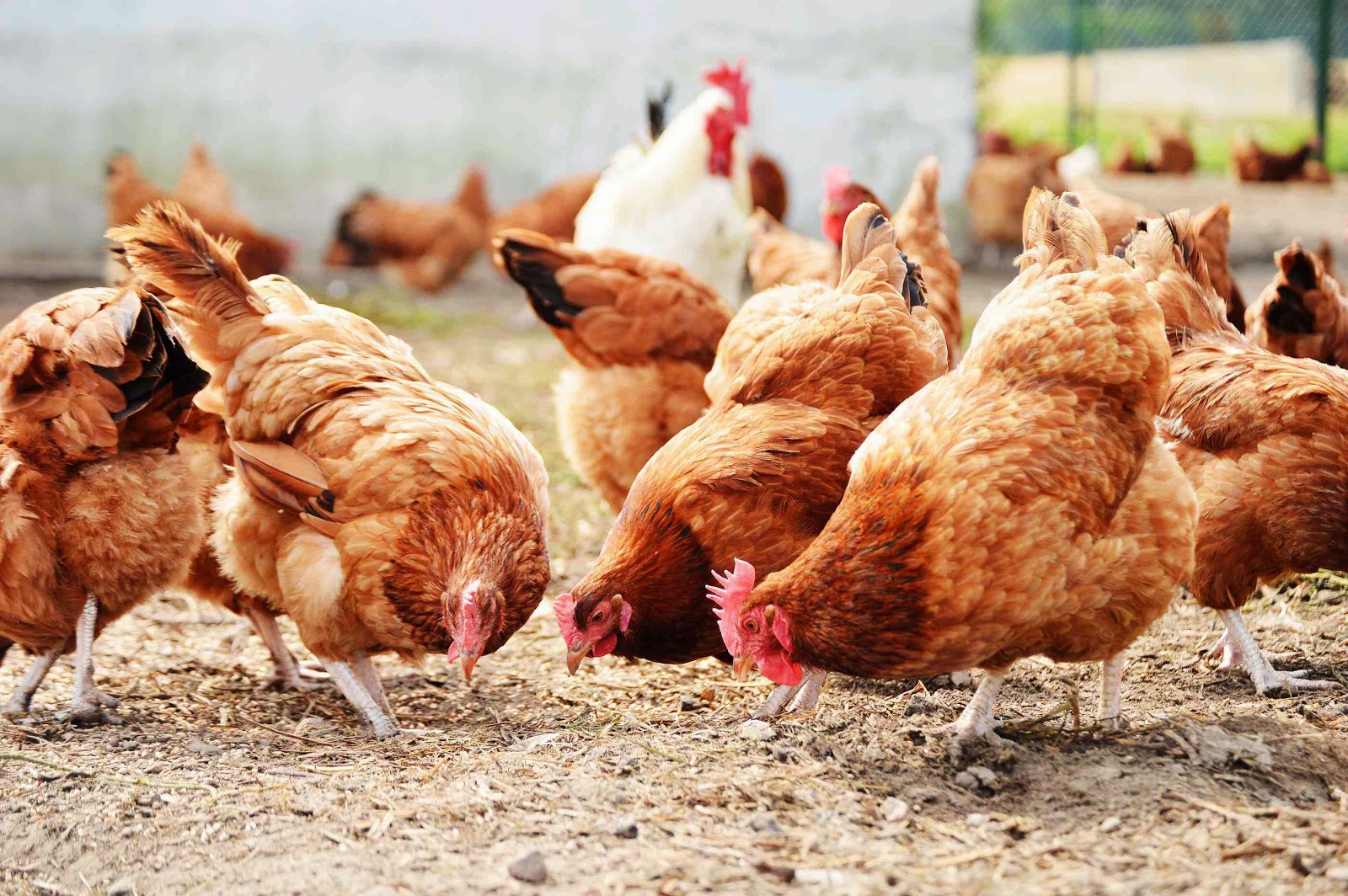

Climate change is increasingly affecting poultry farming across Kenya and many parts of the world. Rising temperatures, unpredictable rainfall patterns, and extreme weather conditions are creating new challenges for poultry farmers. Understanding how warm and cold seasons impact poultry production is essential for maintaining healthy birds and profitable farms.
During the warm season, poultry farmers often face heat stress. Chickens are highly sensitive to excessive heat because they do not sweat like humans. When temperatures rise above the comfort range, birds eat less feed, drink more water, and produce fewer eggs. Broilers also gain weight more slowly, reducing overall profitability. Heat stress can weaken the immune system, making birds more susceptible to diseases and increasing mortality rates.
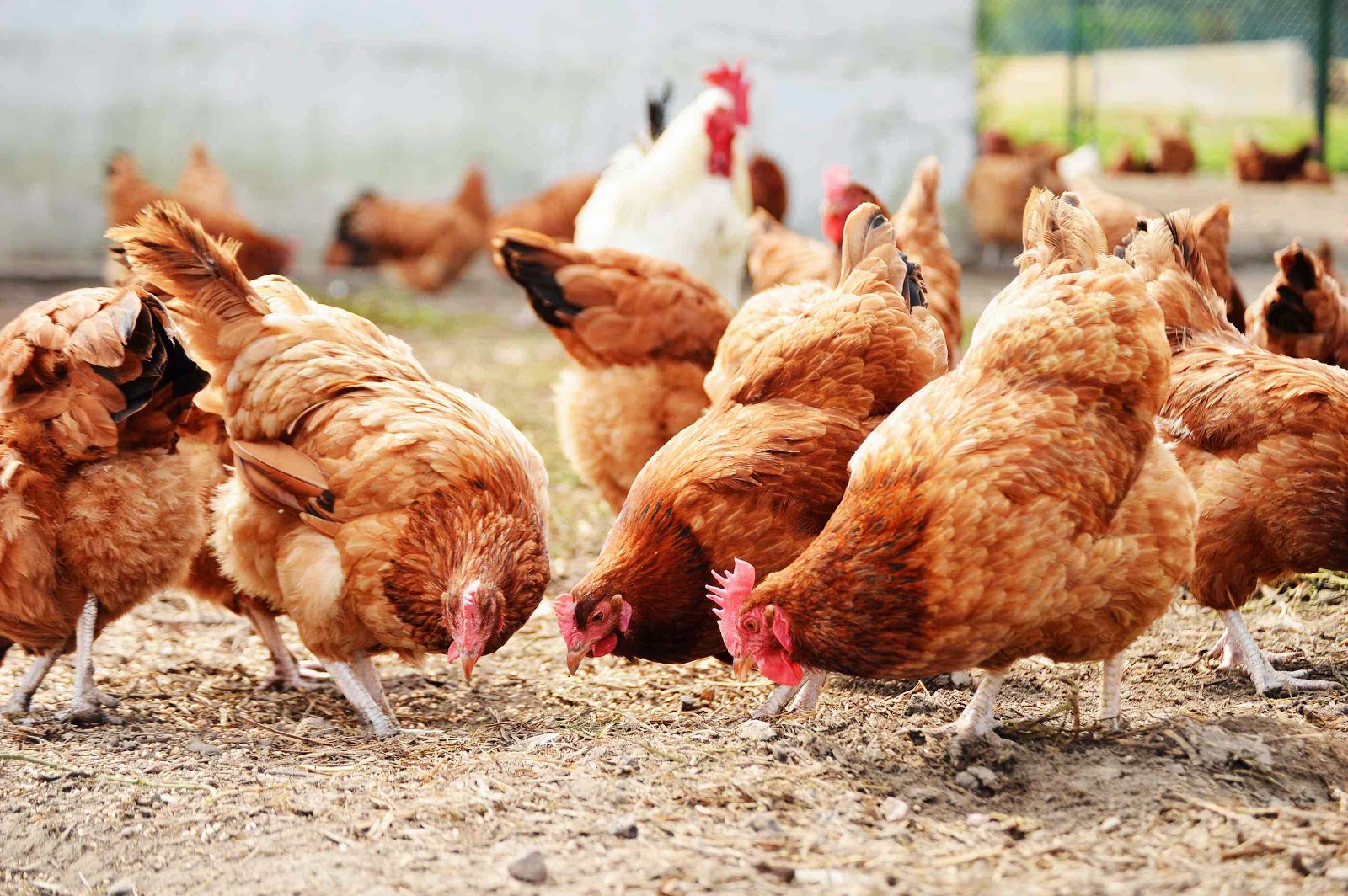
Cold seasons also present challenges, especially for young chicks. Low temperatures force birds to use more energy to keep warm instead of growing and producing eggs. Poorly managed poultry houses can lead to respiratory infections due to dampness and inadequate ventilation. Farmers may also incur higher costs for heating and bedding materials.
Between the two extremes, poultry generally performs better in moderate temperatures ranging between 18°C and 24°C. However, if proper management practices are in place, warm seasons can still be productive. Adequate ventilation, clean drinking water, shade, and cooling systems help birds cope with heat. During cold periods, proper housing, dry litter, and sufficient warmth are essential.

As climate change continues to alter weather patterns, poultry farmers must adopt climate-smart practices. Investing in improved housing, reliable water systems, and good flock management can help reduce losses and ensure consistent production throughout the year.
Ultimately, neither extreme heat nor extreme cold is ideal for poultry farming. Moderate weather conditions provide the best environment for healthy birds, higher egg production, and better growth rates.