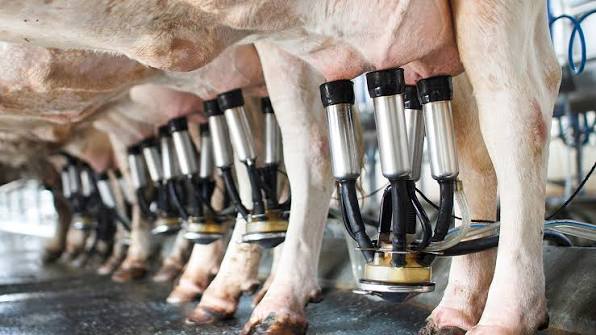
Milk coolers have become a game-changer in the dairy industry, helping farmers reduce losses, improve milk quality, and increase their earnings. In many rural areas, dairy farmers often face challenges in preserving fresh milk, especially during hot weather. Without proper cooling, milk can spoil quickly, leading to significant financial losses.
Milk coolers solve this problem by rapidly lowering the temperature of fresh milk soon after milking. This helps prevent the growth of harmful bacteria and maintains the milk's freshness until it is transported to processing plants. As a result, farmers are able to deliver high-quality milk that meets market and industry standards.
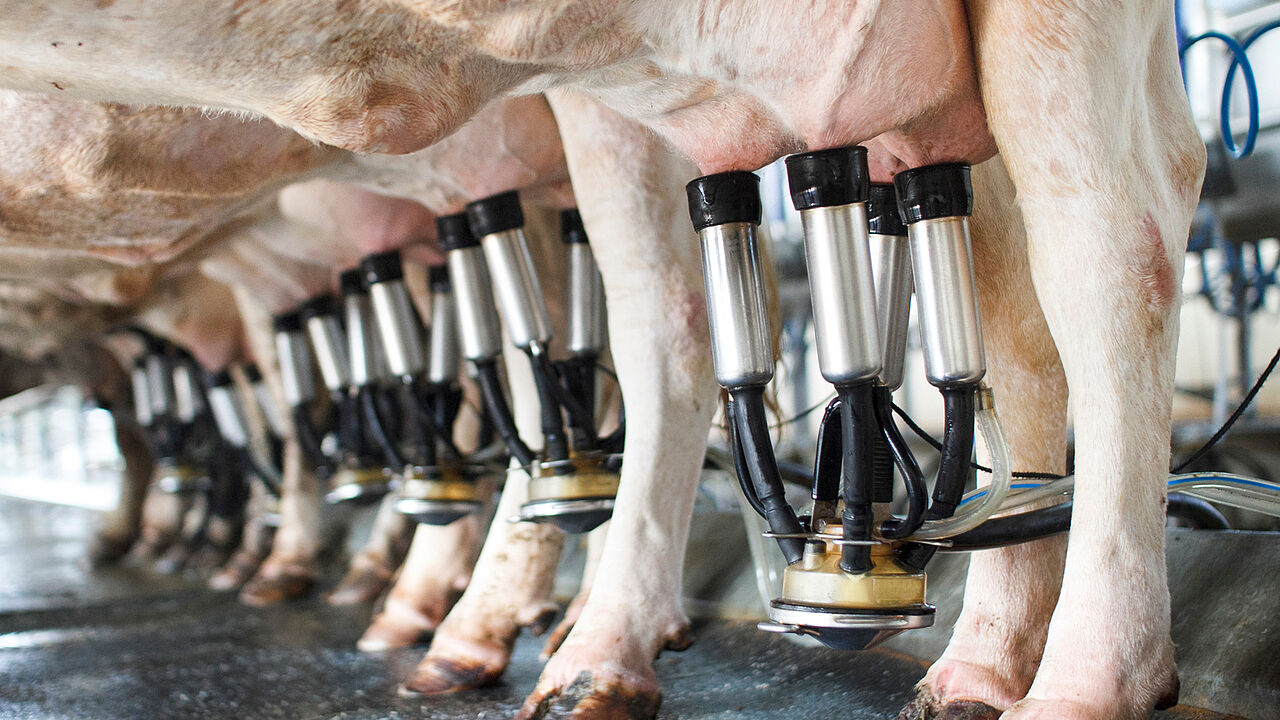
One of the biggest benefits of milk coolers is the reduction of post-harvest losses. Previously, farmers had to rush to collection centers or risk losing their milk due to spoilage. With cooling facilities available, milk can be safely stored for longer periods, giving farmers more flexibility and reducing waste.
Milk coolers have also improved farmers' incomes. Dairy processors often pay higher prices for quality milk with low bacterial counts. By preserving milk quality, farmers can access premium markets and earn better returns. In addition, cooperative societies and milk collection centers equipped with coolers can aggregate milk from many farmers, creating stronger bargaining power and more reliable market access.

Furthermore, milk cooling infrastructure supports food safety by ensuring consumers receive fresh and healthy dairy products. It also encourages increased milk production since farmers are confident that their produce will not go to waste.
As dairy farming continues to grow, investment in milk coolers remains essential. These technologies are helping farmers improve productivity, reduce losses, and build a more profitable and sustainable dairy sector.