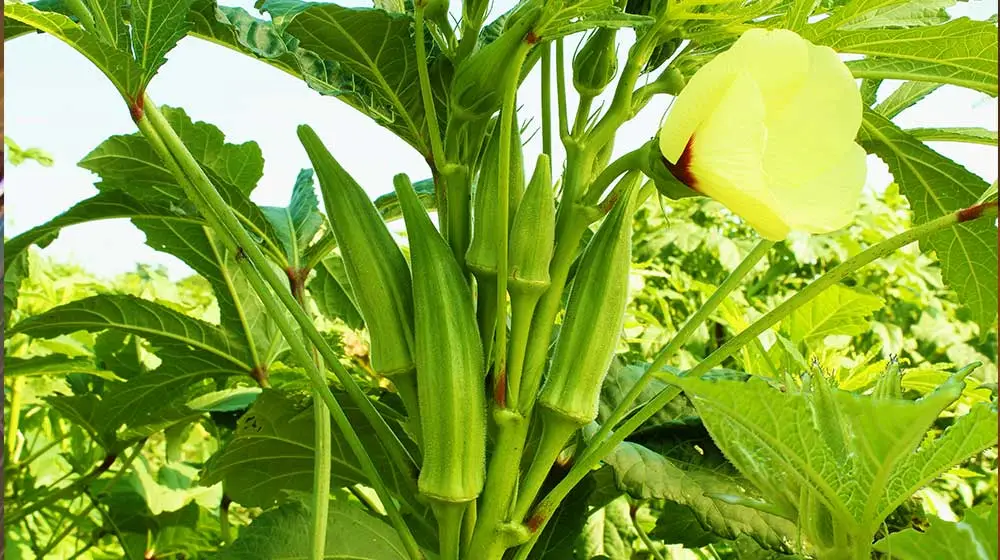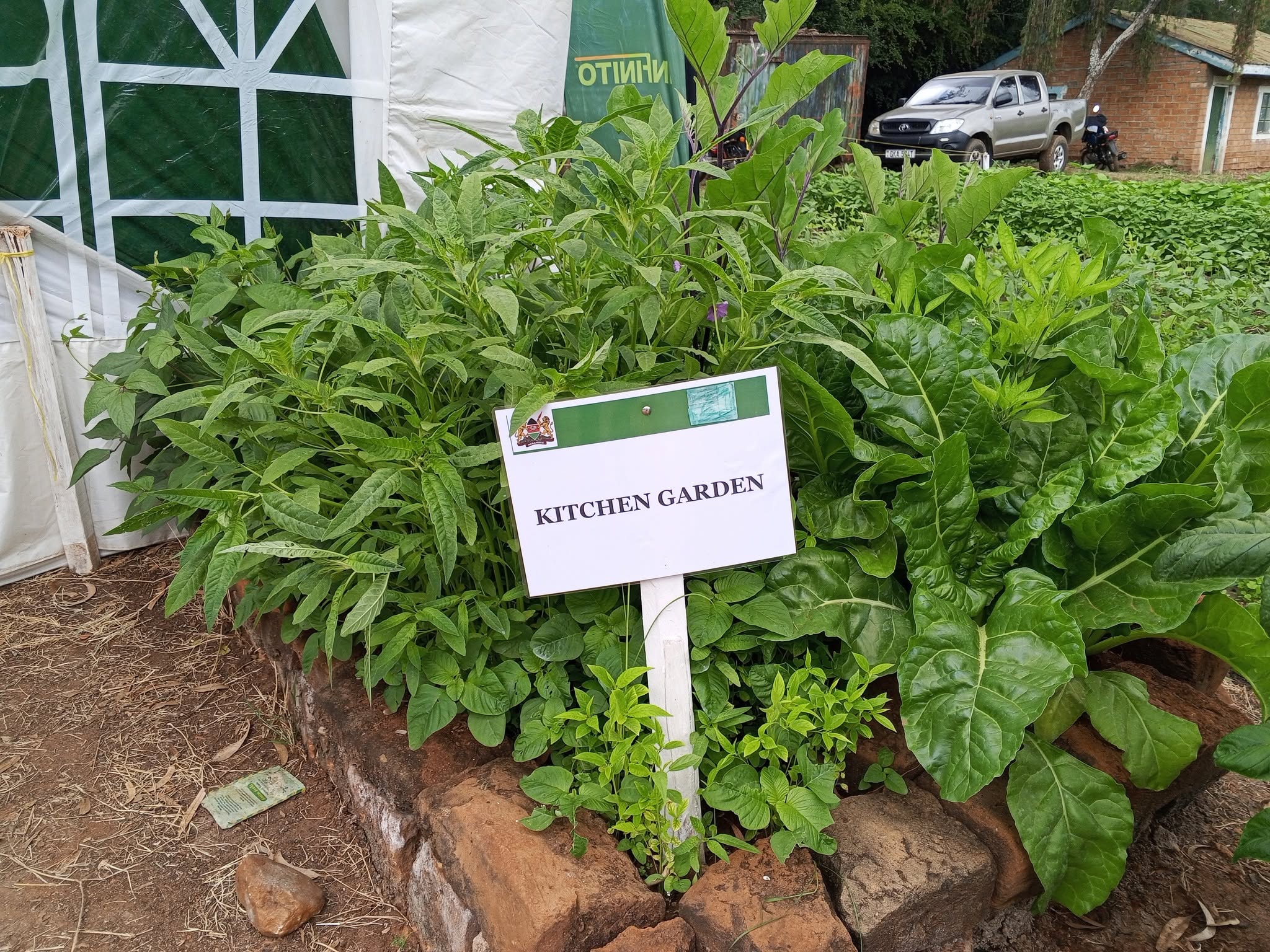

A kitchen garden is one of the simplest yet most powerful ways for families to improve food security, nutrition, and household savings. In today’s world where food prices continue to rise, having a small garden at home can make a big difference in daily living.
A kitchen garden allows families to grow fresh vegetables such as sukuma wiki, spinach, tomatoes, onions, coriander, and even herbs like basil and rosemary. These crops do not require large land—just a small backyard, sack garden, or even containers on a balcony can be enough. This makes kitchen gardening suitable for both rural and urban homes.

One of the biggest benefits is improved nutrition. Freshly harvested vegetables contain more vitamins and minerals compared to store-bought ones that may have stayed long in transport. This helps reduce cases of malnutrition and lifestyle diseases.
Kitchen gardens also help families save money. Instead of buying vegetables every day, households can harvest directly from their gardens, reducing household expenses significantly over time. In addition, kitchen gardening promotes environmental sustainability. It encourages the use of organic waste as compost, reduces reliance on chemical fertilizers, and improves green spaces around homes.

It also serves as an educational tool for children, teaching them responsibility, patience, and agricultural skills. In conclusion, every home—whether in the village or town—should embrace kitchen gardening. It is affordable, practical, and life-changing, turning even the smallest space into a source of health, food, and income.