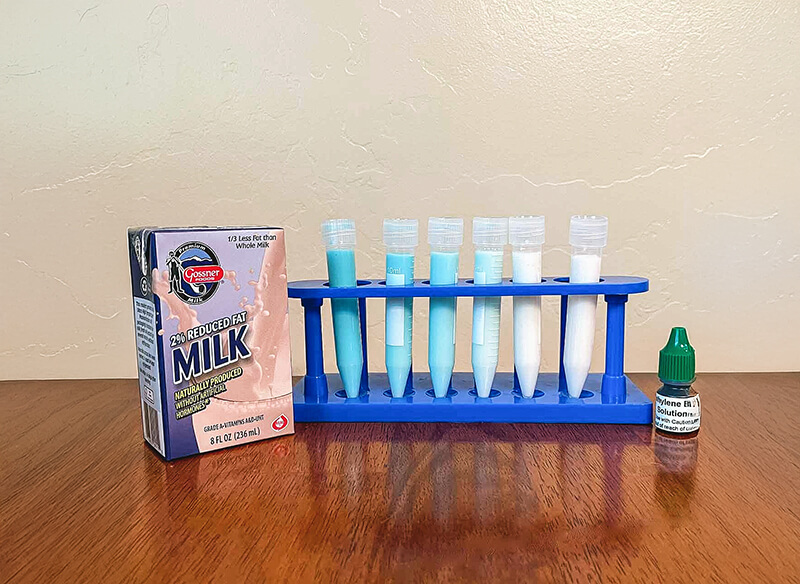
Milk testing is one of the most important quality assurance practices in the dairy industry. Before milk reaches consumers, it undergoes several tests to ensure it is safe, fresh, and suitable for processing. During the Nakuru ASK Show, the Kenya Dairy Board demonstrated different milk testing methods, highlighting how these simple but effective tests help protect both farmers and consumers.
Milk testing helps detect problems such as adulteration with water, poor hygiene during milking, bacterial contamination, high acidity, and the presence of harmful chemicals or residues. Common tests include the lactometer test, clot-on-boiling test, alcohol test, alkaline phosphatase test, peroxide strip test, and alkaline test. Each test serves a specific purpose in determining the quality and safety of raw milk.

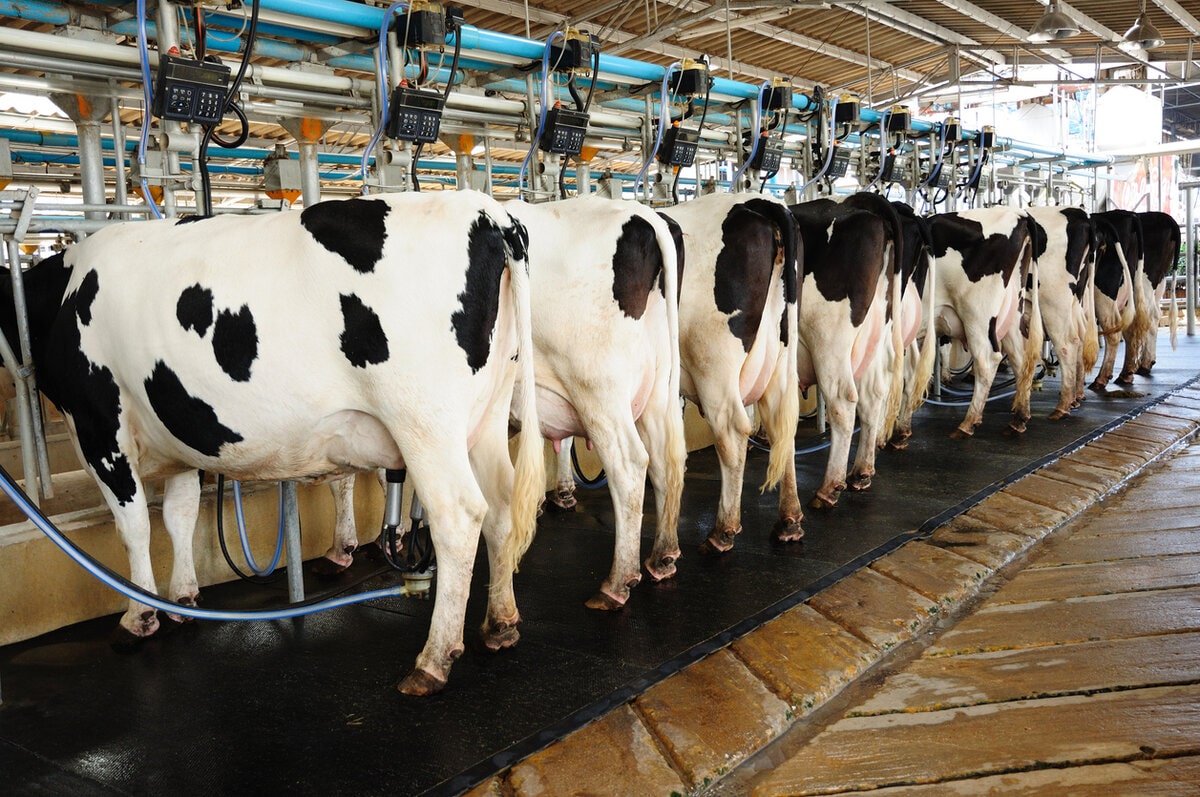
For farmers, milk testing ensures they deliver quality produce that meets market standards, increasing their chances of earning better prices. Processors also benefit because quality milk has a longer shelf life, produces better dairy products such as yoghurt, cheese, and butter, and reduces losses caused by spoiled milk.
Consumers gain confidence knowing that the milk they buy is safe, nutritious, and free from harmful contaminants. Regular testing also helps prevent the spread of milk-borne diseases and ensures that pasteurization has been carried out effectively.
The Kenya Dairy Board continues to educate farmers, traders, and consumers on the importance of milk quality testing through agricultural exhibitions and training programmes. These efforts promote higher standards across the dairy value chain and strengthen public trust in Kenya's dairy industry.
Ultimately, milk testing is more than a laboratory procedure—it is a vital safeguard that protects public health, improves dairy production, reduces waste, and ensures every glass of milk meets the highest quality standards.