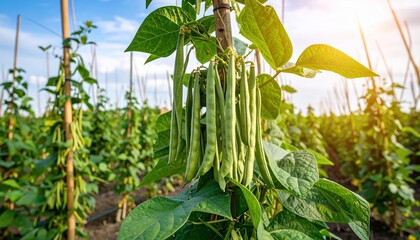
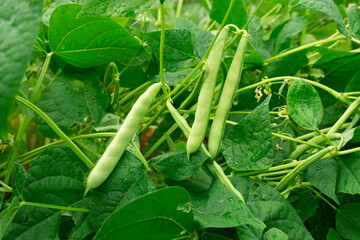
Yellow beans, popularly known as Kathika or Soya Njano in many parts of Kenya, are gaining popularity among farmers and consumers due to their high nutritional value, excellent market demand, and ability to withstand harsh weather conditions. This drought-tolerant bean variety has become an important crop in regions that experience unreliable rainfall, making it a reliable source of food and income for households.
Rich in protein, fiber, vitamins, and essential minerals such as iron and zinc, yellow beans are highly recommended for children, expectant mothers, and individuals seeking a healthy diet. Their high protein content makes them an affordable alternative to animal protein, helping families improve their nutrition while reducing food costs.

Farmers prefer Kathika because it matures relatively fast, usually within 70 to 90 days depending on the variety and growing conditions. The crop performs well in well-drained soils and requires moderate rainfall, making it suitable for many parts of Kenya. In addition, yellow beans are resistant to drought compared to many other bean varieties, enabling farmers to harvest even during challenging seasons.
Apart from household consumption, yellow beans have a strong market demand in local markets, schools, hotels, and food processing industries. They can be prepared in various ways, including stews, mixed dishes, and nutritious bean soups.
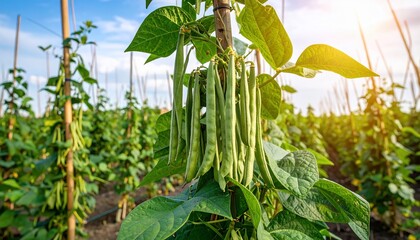
Agricultural experts encourage farmers to adopt improved yellow bean varieties and proper crop management practices to maximize yields. As climate change continues to affect farming, Kathika stands out as a resilient crop that contributes significantly to food security, improved nutrition, and sustainable livelihoods across Kenya.