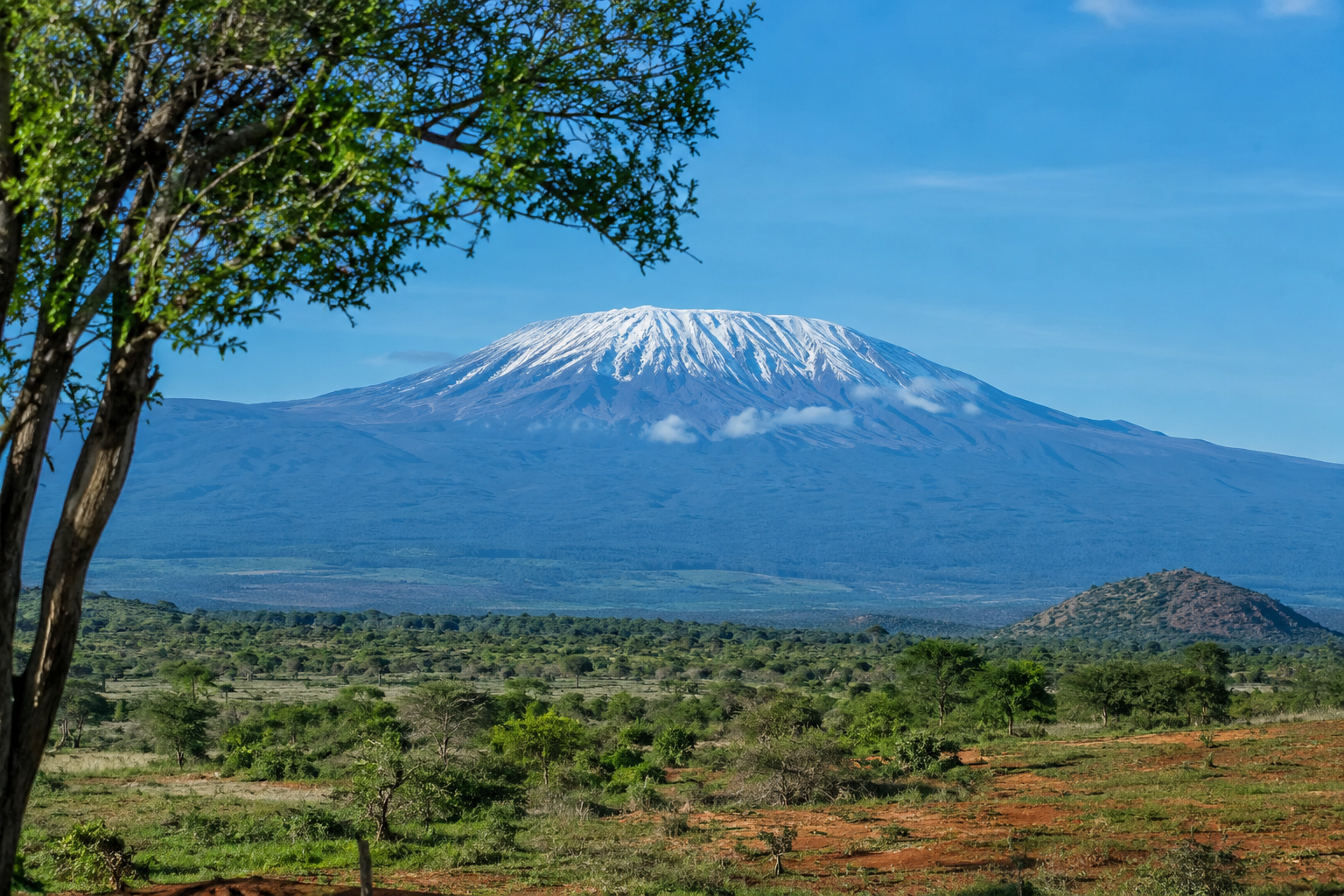
The history of the Akamba people is rich, diverse, and deeply rooted in migration, settlement, and cultural interaction across different regions of Kenya. Oral traditions suggest that the Akamba community emerged through several migration waves and settlements over many centuries.
Early Akamba Groups and Migration Routes
1. The Ngulia Akamba
One of the earliest Akamba groups is believed to have been the Ngulia sub-community, associated with the Tsavo region near the present-day Ngulia Lodge. According to oral traditions, these people existed in Kenya long before other Akamba groups migrated from the slopes of Mount Kilimanjaro into the Tsavo area.
2. The Makueni and Machakos Akamba
Another major Akamba migration is said to have originated from the Kilimanjaro region. This group first settled in Ngulia before moving toward the Konza area, then historically referred to as Ulu, meaning “upper land.” Over time, they expanded into present-day Machakos County, Makueni County, Mbooni, Kilungu, and later Mt. Nzaui, possibly around the 15th century.
3. The Mwingi Community
The people of Mwingi are believed to have originated from the Mbeere and Atharaka communities who crossed the Tana River and settled in the region. Over time, they interacted and assimilated with Akamba migrants who had moved into Kitui from Mbooni. This assimilation influenced language patterns, particularly the retention of words containing the letter “R,” which is generally absent in standard Kikamba pronunciation.
Migration to Kitui and the Origin of the “Athaisu” Name
Another oral tradition explains that some Akamba families migrated from Mbooni into Kitui County. Folklore attributes this movement to social tensions associated with accusations of witchcraft, traditionally believed to be practiced mainly by women. Families fearing social punishment reportedly fled across the Athi River and settled in Kitui.
As Kitui’s population grew, the region later experienced famine, while Mbooni reportedly remained food secure. Some families temporarily returned to Mbooni seeking relief from hunger. Due to malnutrition, children from Kitui were observed eating large handfuls of food when served. This reportedly led to the phrase “Mathaa Isyo,” loosely referring to “those who scoop food with both hands.” Over time, the phrase evolved into “Mathaisu,” eventually giving rise to the name “Athaisu.”
The Battle of Mwita Syano
According to oral history, when many Kitui families later attempted to permanently return to Mbooni, local elders resisted their return, fearing they would reintroduce undesirable cultural practices. Warriors from Mbooni reportedly camped along what is now known as the Mwita Syano River, while the returning Kitui group camped on the opposite side.
A prolonged confrontation followed, with both sides exchanging arrows across the river. Oral traditions state that so many arrows filled the river during the conflict that the place became known as “Mwita Syano.”
Akamba Migration to the Coast
Some Akamba communities later migrated toward the Kenyan coast and settled around present-day Mariakani. Oral traditions suggest that the name “Mariakani” may have originated from the Kikamba word “Mathyakani,” meaning “a place where quivers are kept.”
It is said that Akamba traders traveling to Mombasa, historically referred to as “Kisiwa cha Vita” or “Kisauni,” were required by Arab traders to leave their weapons behind before entering the island. Their quivers (“Mathyaka”) were reportedly stored at this location, gradually leading to the Swahili adaptation of the name Mariakani.
Additional Akamba migrations later extended into Shimba Hills and Taita-Taveta County during the 1960s and 1970s.
Masaku and the Legacy of Paul Ngei
The name “Masaku,” from which Machakos is believed to derive, is associated with Masaku wa Munyao, traditionally remembered as a son of the renowned healer and prophet Iluvya from Kiima Kimwe.
Historical accounts state that Masaku resisted British colonial influence and relocated from Machakos to Mbilini in Kangundo. His lineage later produced Paul Joseph Ngei, one of Kenya’s notable independence-era leaders and the first Member of Parliament for Kangundo.