The Kalenjin community, mainly found in Kenya’s Rift Valley region, has for generations practiced unique farming traditions that have quietly shaped food production and cultural identity. Long before modern agriculture arrived, Kalenjin families relied on indigenous knowledge to grow crops, preserve seeds, and manage livestock in ways that promoted survival and unity.
Traditionally, farming among the Kalenjin was more than just food production—it was a cultural activity deeply connected to family and community life. Men were mainly responsible for clearing land and caring for livestock, while women planted crops, harvested produce, and stored food. This division of labour ensured that every household member played a role in sustaining the family.

One hidden tradition was the use of indigenous weather forecasting. Elders carefully observed stars, wind patterns, bird movements, and animal behavior to predict rainfall and drought seasons. This helped farmers know the best planting periods for crops such as millet, sorghum, sweet potatoes, and later maize.
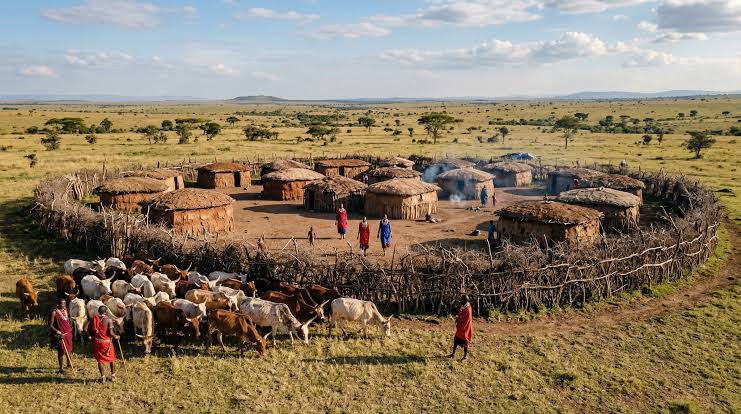
The Kalenjin also practiced mixed farming, combining crop cultivation with livestock keeping. Cattle were highly valued not only as a source of milk and wealth but also for manure used to improve soil fertility naturally. Granaries built using grass and mud were used to safely store harvested grains for future seasons and during times of famine.
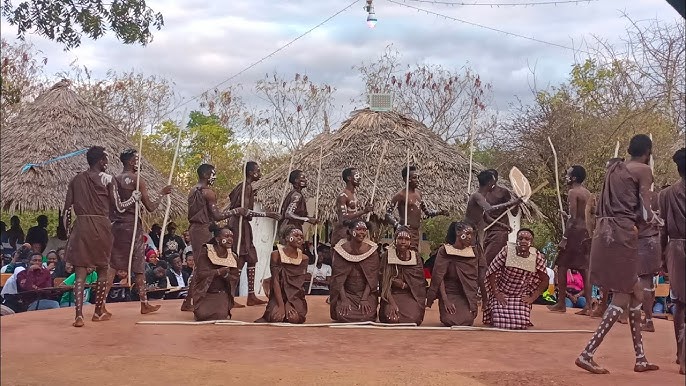
Another unique tradition involved communal farming activities. Neighbours often came together during planting and harvesting seasons in a spirit of cooperation known locally through communal work gatherings. Songs, dances, and storytelling were common during these activities, making farming both productive and socially enriching.
Traditional crops such as finger millet and sorghum were preferred because they could survive harsh weather conditions and required less rainfall. Herbal plants were also grown around farms to control pests naturally before chemical pesticides became common.

Today, although modern farming methods are widely used, many Kalenjin farmers still preserve these indigenous practices. The traditions continue to remind younger generations that agriculture is not only about income but also about culture, wisdom, and community heritage.