Long before mobile phones, radios, and the internet, the Akamba community had creative and effective ways of passing information from one village to another. Communication in Kamba culture was deeply connected to nature, community, and tradition.
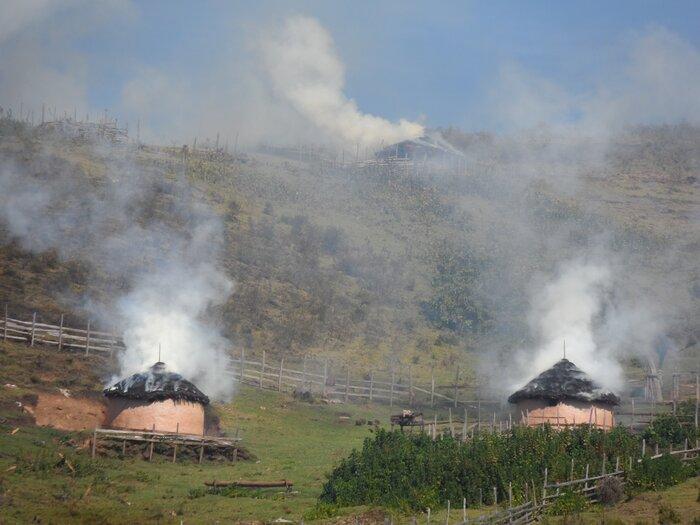
One of the most common methods was the use of smoke signals. Smoke rising from hills or homesteads carried special meanings. Different patterns or amounts of smoke could warn people about danger, announce meetings, or signal important events such as raids or ceremonies.

The Akamba also relied heavily on messengers, locally respected individuals trusted to deliver verbal messages across villages. These messengers travelled long distances on foot and were valued for their memory, honesty, and speed. Chiefs and elders often used them to summon meetings or deliver community decisions.
Another important method was the beating of drums. Special drum rhythms communicated different messages. A fast and urgent beat could warn of danger, while slower rhythms announced celebrations, funerals, or gatherings. People understood these sounds instantly, even from far away.

The blowing of horns made from animal horns was also common. Horns were used to call warriors, alert villagers, or gather people during emergencies. Each sound pattern had a unique meaning understood within the community.
In some cases, elders used songs and chants to pass messages, teachings, and historical stories from one generation to another. Oral communication played a major role in preserving Akamba identity and traditions. These traditional communication systems proved that even without modern technology, the Akamba people had organized and intelligent ways of staying connected as a community.