Among the Luo people, the birth of a child was not only a family blessing but also a major community celebration. In traditional Luo culture, special signals, songs, and ceremonies were used to announce whether a baby boy or girl had been born. These celebrations strengthened unity and preserved cultural identity.
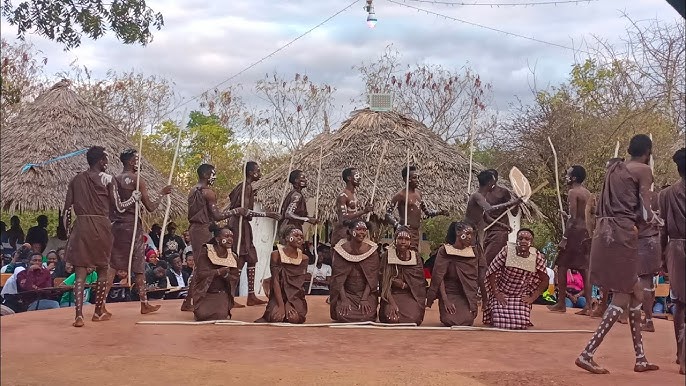
When a child was born, elderly women and traditional birth attendants would immediately send messages to relatives and neighbors through ululations, songs, and word of mouth. The type of ululation often differed depending on the gender of the child. A louder and prolonged celebratory cry could signal the birth of a boy, while a softer rhythmic ululation often announced the arrival of a girl. Drumming and singing were also common, especially if the family was well respected in the village.

For a baby boy, celebrations were usually bigger because boys were traditionally viewed as future protectors and inheritors of the family lineage. Men could gather outside the homestead singing heroic songs while women danced in celebration. Some families slaughtered a goat or chicken to mark the occasion and share food with visitors.
The birth of a girl was also celebrated warmly because daughters were seen as blessings who would strengthen relationships between families through marriage and motherhood. Women would sing joyful songs praising fertility and motherhood while elderly relatives blessed the newborn.

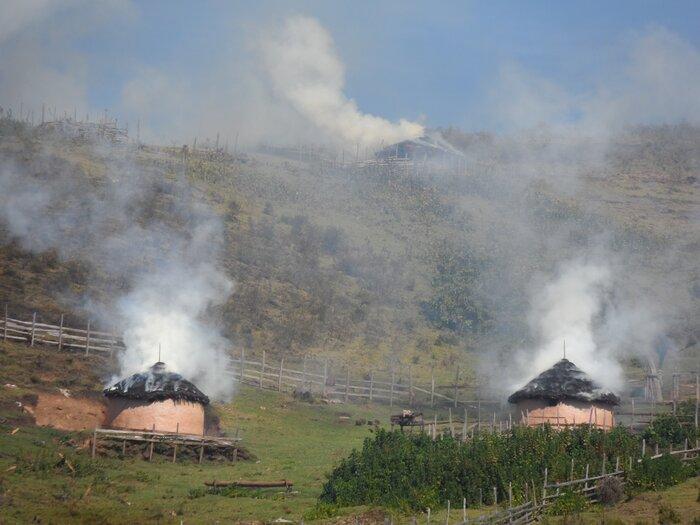
Smoke signals were not commonly used specifically for childbirth among the Luo, but messengers were sent to nearby relatives to spread the good news. Naming ceremonies later followed, where elders gave the child meaningful names based on weather, events, seasons, or family history.
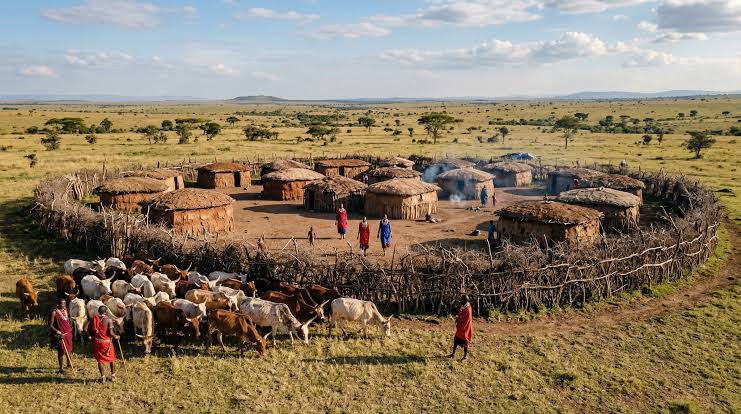
These traditions reflected the Luo community’s deep respect for family, children, and communal living, where every birth symbolized hope, continuity, and the future of the clan.