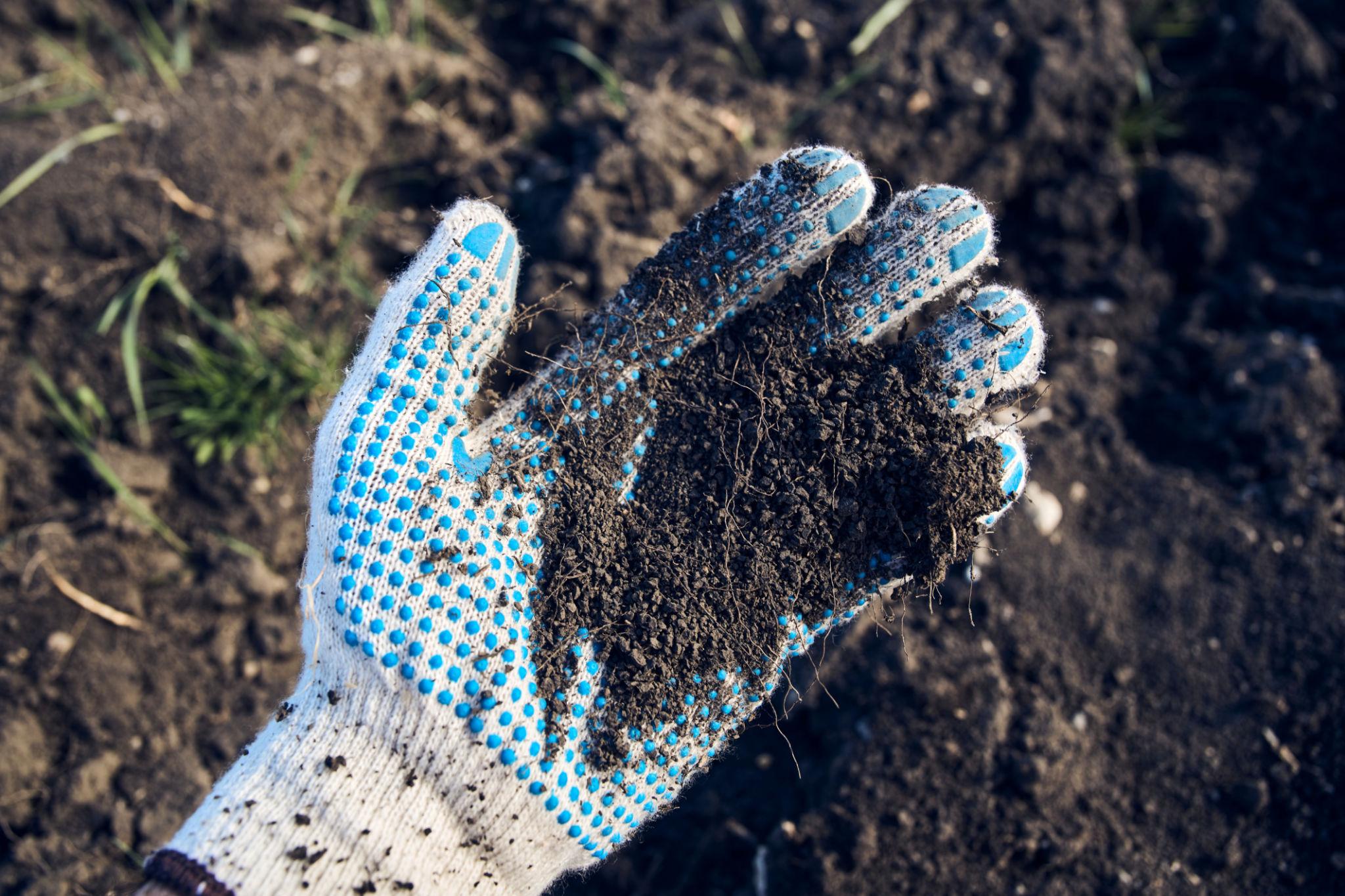
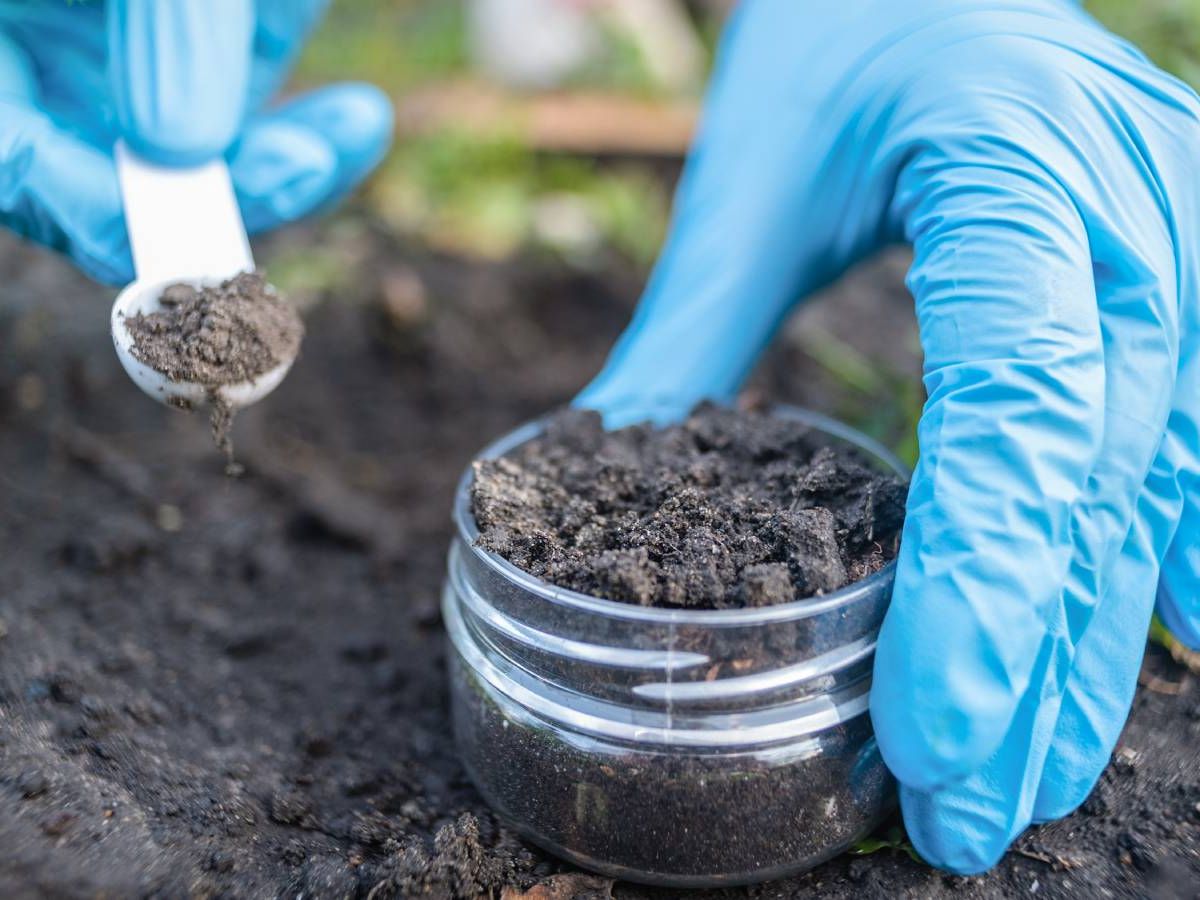
Successful farming begins beneath the surface. Before planting seeds, smart farmers first test their soil to understand its condition and nutrient levels. Soil testing helps farmers know exactly what their crops need, saving time, money, and improving harvests.
Many farmers lose yields because they plant crops in soil that lacks important nutrients such as nitrogen, phosphorus, and potassium. Others unknowingly use too much fertilizer, which increases production costs and damages the soil over time. A simple soil test helps avoid these mistakes by providing accurate information about soil fertility and pH levels.
Different crops grow well in different soil conditions. For example, potatoes prefer slightly acidic soil, while maize performs best in fertile, well-balanced soil. By testing the soil, farmers can choose the right crops and apply the correct type and amount of fertilizer. This improves crop health and increases productivity.
Soil testing also helps farmers identify hidden problems such as soil acidity, salinity, or nutrient deficiencies before planting begins. Detecting these issues early allows farmers to correct them in time and protect their investment.

In today’s modern agriculture, farming is no longer based on guesswork. Smart farmers use science and data to make better decisions. Soil testing is one of the simplest and most effective ways to increase profits and protect the land for future generations. Before planting your next crop, remember this: healthy soil is the foundation of a successful harvest.