Maize farmers across Kenya and Africa continue to face a serious threat from Fall Armyworm, a destructive pest that can significantly reduce yields if not detected and controlled early. Originally native to the Americas, Fall Armyworm has spread rapidly across many countries, causing concern among farmers and agricultural experts alike.
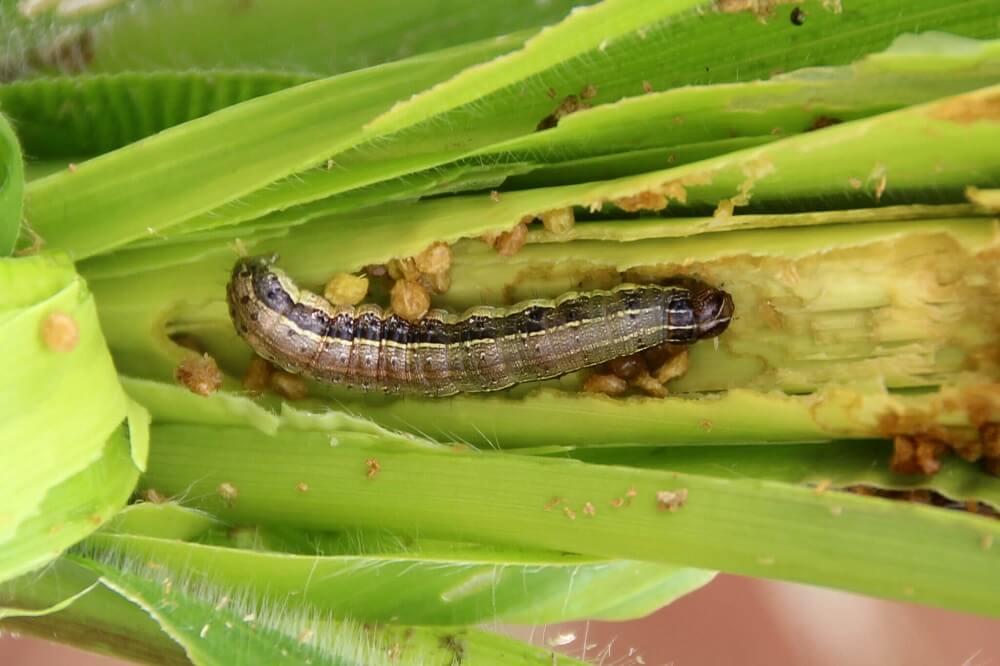
The pest is the larval stage of a moth and feeds aggressively on maize and other crops. Young caterpillars often hide deep within the whorl—the center of the maize plant—making them difficult to spot during the early stages of infestation. As they feed, they create characteristic damage that can help farmers identify their presence.

One of the earliest signs of Fall Armyworm attack is the appearance of small holes on maize leaves. As the leaves continue to grow and unfold, these holes become larger and more visible. Farmers may also notice ragged, shredded leaves that appear torn or chewed. Another key indicator is damage concentrated in the whorl, where the caterpillars prefer to feed while remaining protected from predators and harsh weather conditions.
In heavily infested fields, farmers can often find caterpillars inside the whorl accompanied by dark, sawdust-like droppings known as frass. The presence of frass is a strong indication of active feeding and should prompt immediate action.

Effective management of Fall Armyworm requires regular field scouting, especially during the early growth stages of maize. Farmers should inspect their crops at least once a week, paying close attention to the whorl and young leaves. Early detection allows for timely intervention through recommended pest control measures, including biological controls, cultural practices, and approved pesticides.
By recognizing the warning signs and responding quickly, farmers can minimize damage, protect their harvests, and safeguard food security for their families and communities.