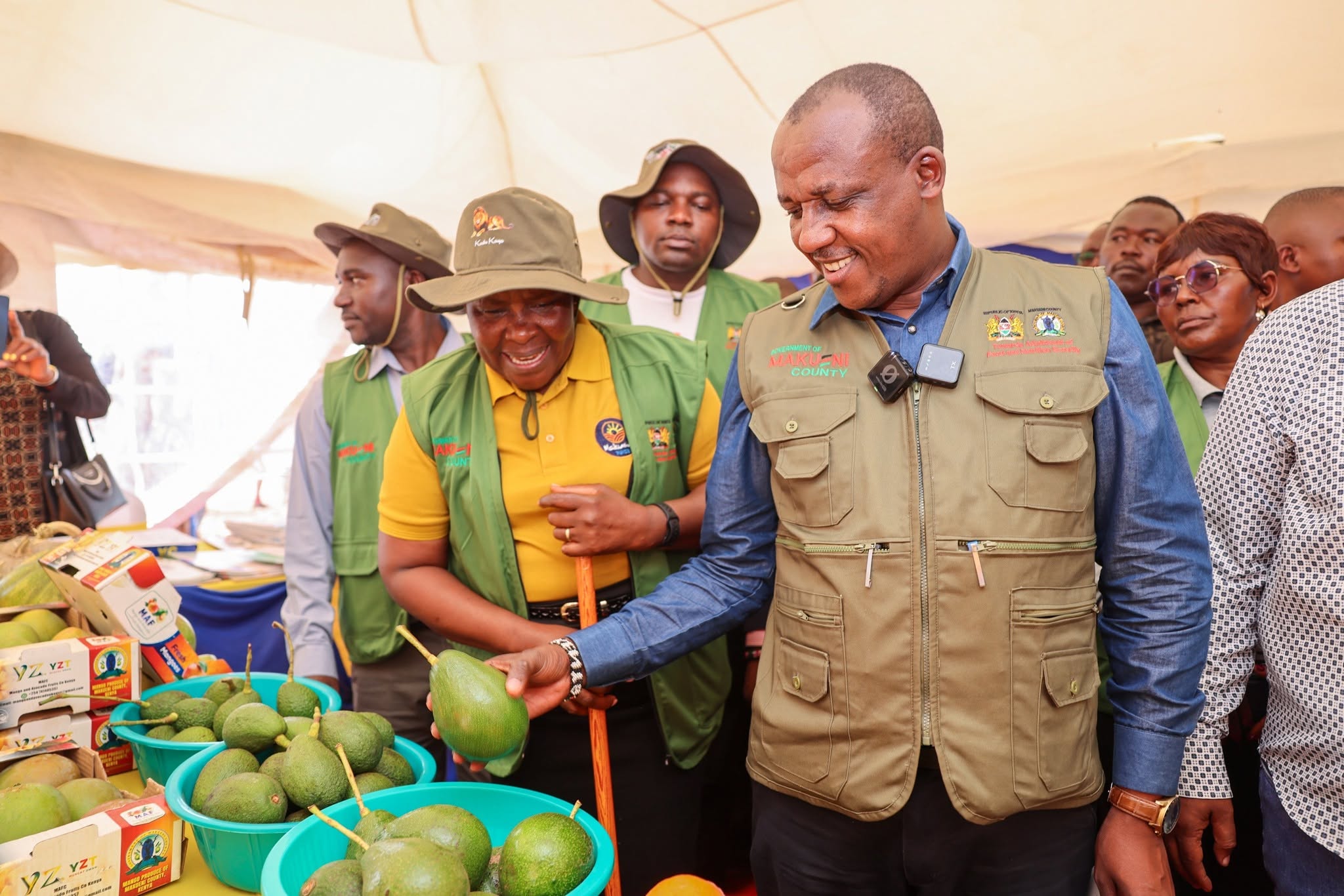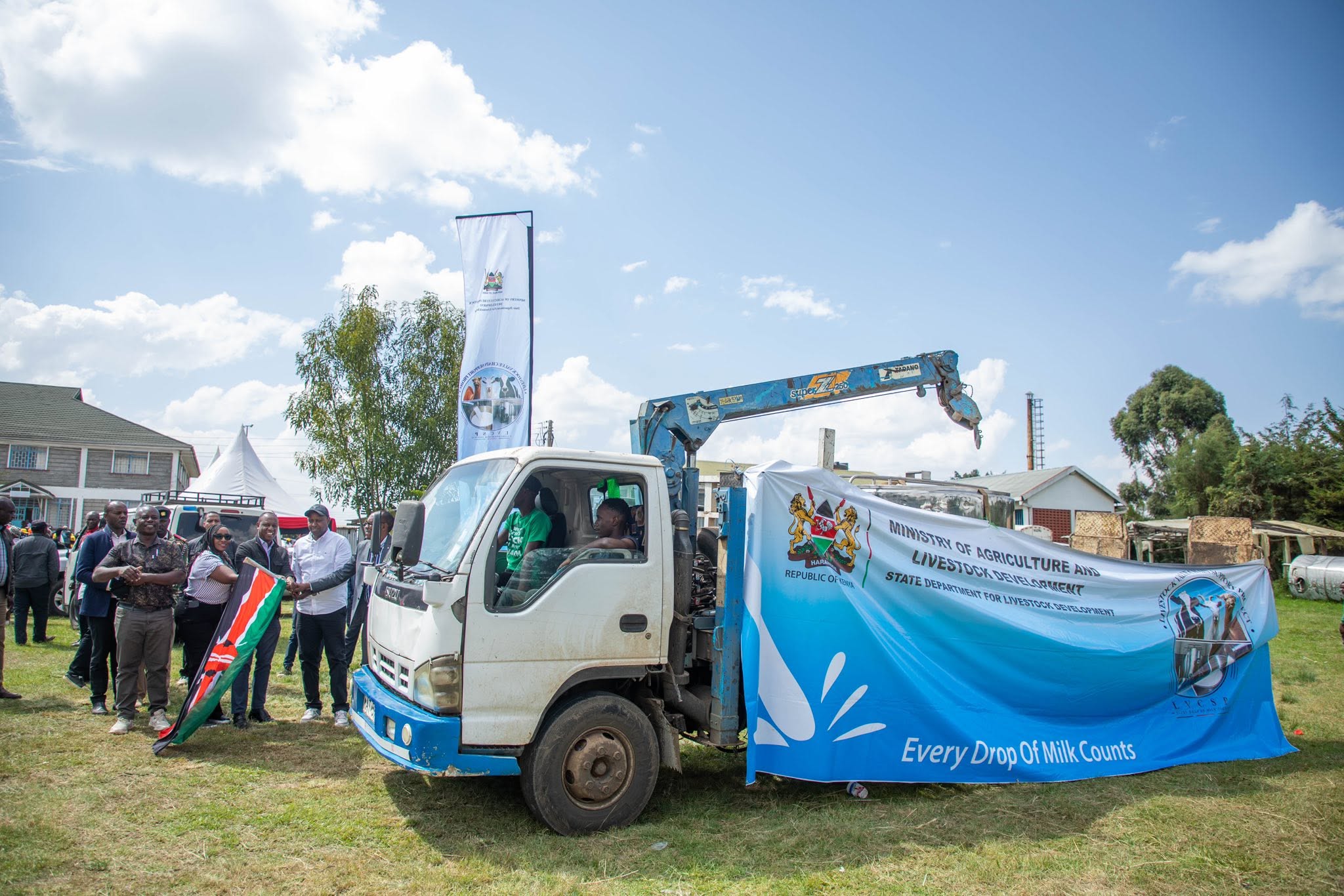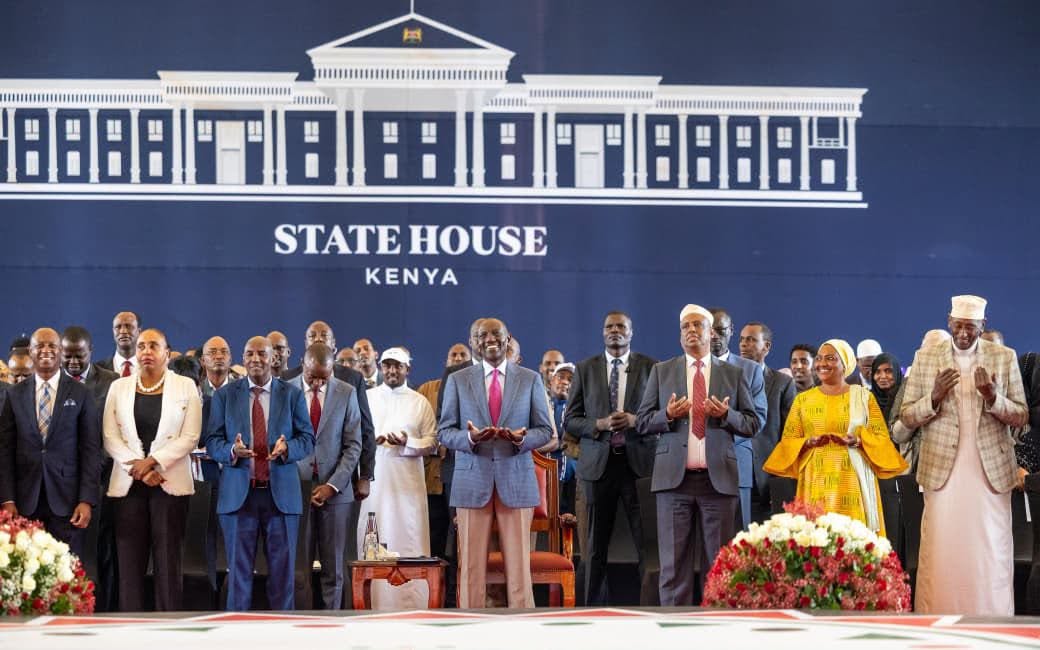

The Kenya Kwanza Government has unveiled livestock development projects worth nearly KES 800 million in Marsabit County, marking a major milestone in efforts to strengthen pastoral livelihoods, enhance climate resilience, and unlock the region’s economic potential.
The projects, implemented through the Ministry of Agriculture and Livestock Development, are designed to address some of the key challenges facing pastoral communities, including water scarcity, livestock diseases, and limited market access. Among the flagship investments are solar-powered water pans, new boreholes, livestock feed stores, modern livestock markets, goat restocking programmes, and large-scale livestock vaccination campaigns.

Speaking during the presentation of the projects, government officials emphasized that the investments are part of the Bottom-Up Economic Transformation Agenda (BETA), which seeks to bring development closer to communities and empower farmers and pastoralists through practical, income-generating initiatives.
Marsabit, a county largely dependent on livestock production, has often faced the devastating effects of prolonged droughts and climate change. The new infrastructure and support programmes are expected to improve access to water, reduce livestock losses, increase productivity, and strengthen the resilience of pastoral households against future climate shocks.

The goat restocking initiative is also expected to help vulnerable families rebuild their herds and restore sources of income after years of drought-related losses. Meanwhile, vaccination programmes will safeguard animal health and improve the quality of livestock entering local and export markets.
The government says a stronger livestock sector will translate into higher household incomes, more employment opportunities for young people, and improved food security. The Marsabit investments demonstrate a commitment to inclusive development and sustainable economic growth in Kenya’s arid and semi-arid regions.