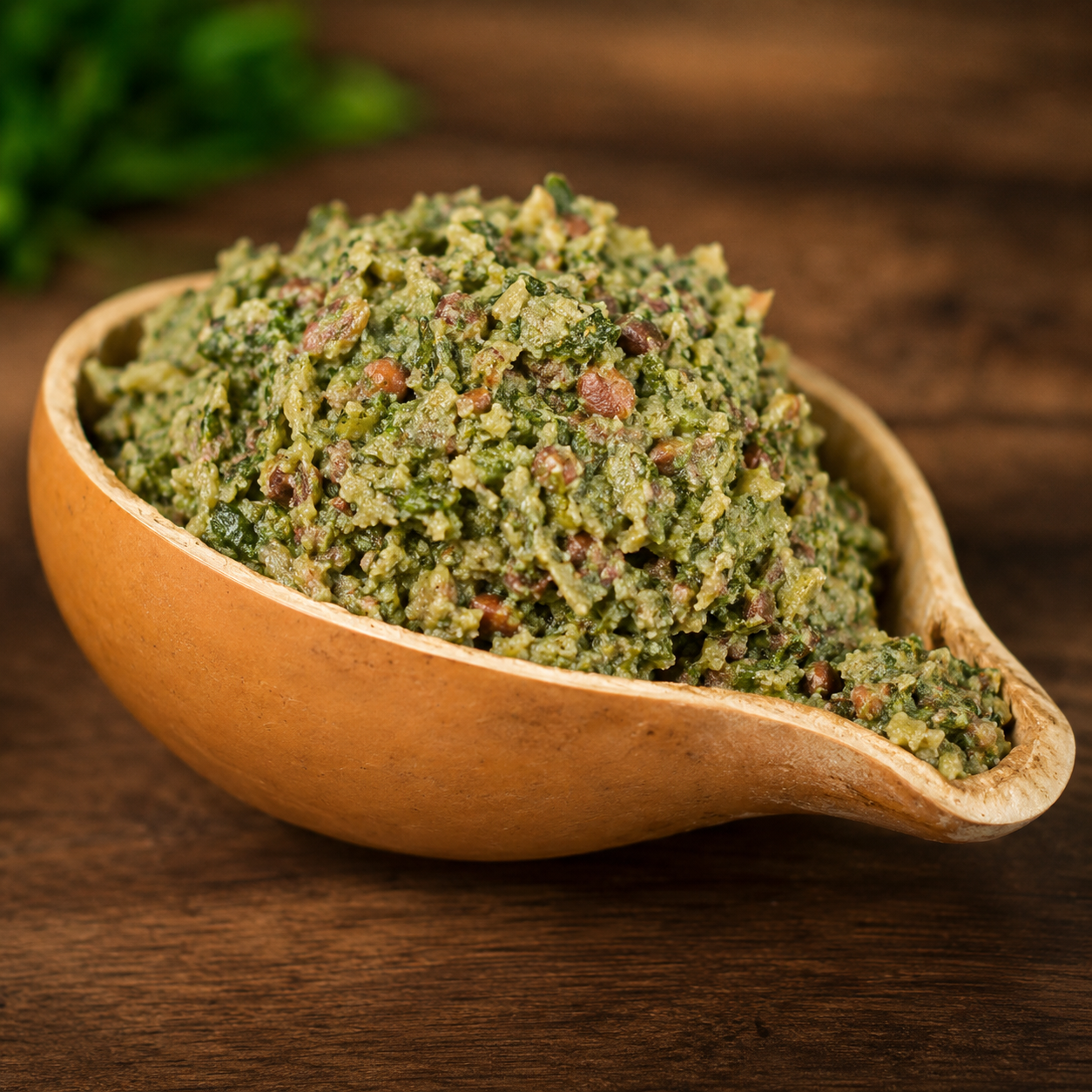
Among the Akamba community of Eastern Kenya, one of the most respected traditional foods was Ngunza Kutu, a nutritious meal that symbolized health, unity, and simplicity. The meal was mainly prepared using flour from sorghum, maize, or millet, mixed together with legumes such as kunde leaves and seeds (Nyunyi sya Muthooko), beans (Mboso), or cowpeas (Nzooko). The result was a rich, thick mixture that combined grains and proteins into one healthy dish.
Traditionally, Ngunza Kutu was commonly cooked for dinner. Many families preferred using millet flour mixed with kunde because of its strong nutritional value and satisfying taste. The ingredients were cooked together in the same sufuria, often with onions added to improve flavor and aroma. Unlike modern processed foods, this meal was completely natural and free from artificial additives. The food was mostly served inside Calabash with a cup of Milk.
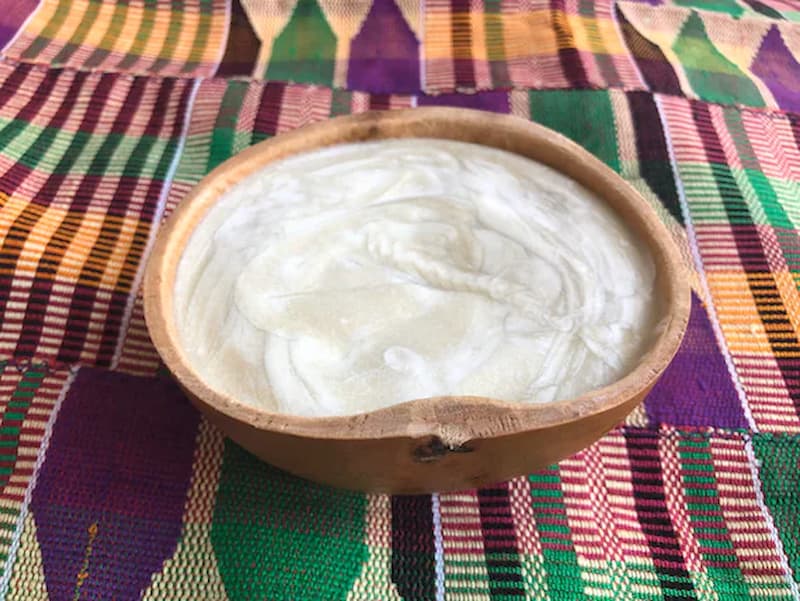
The food played an important role in keeping the Kamba community healthy and energetic. Millet and sorghum provided energy and fiber, while beans and cowpeas supplied protein, vitamins, and minerals. Because of this balanced nutrition, many elders believed the meal protected people from common diseases and strengthened the body naturally.
Beyond nutrition, Ngunza Kutu also represented cultural identity and family togetherness. Families gathered around the fireplace as the meal slowly cooked, sharing stories and traditions. Today, many people still value this traditional dish as a reminder of healthy African foods and the wisdom of the Kamba ancestors. Which food do you know was cooked some years back and it is not cooked today ?