
The Kikuyu community traditionally developed smart and reliable ways of storing harvests to ensure food security throughout the year, especially before modern storage methods were introduced.
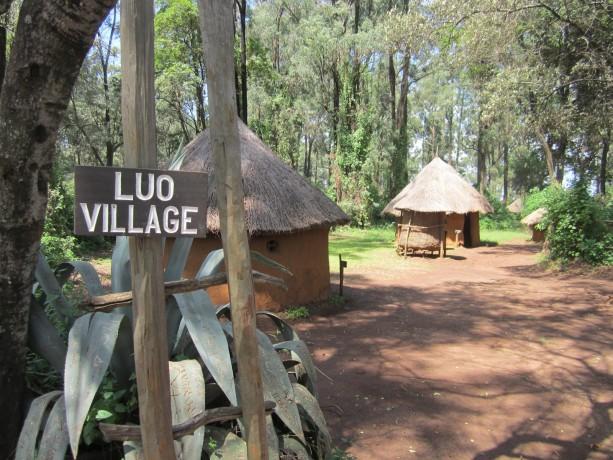
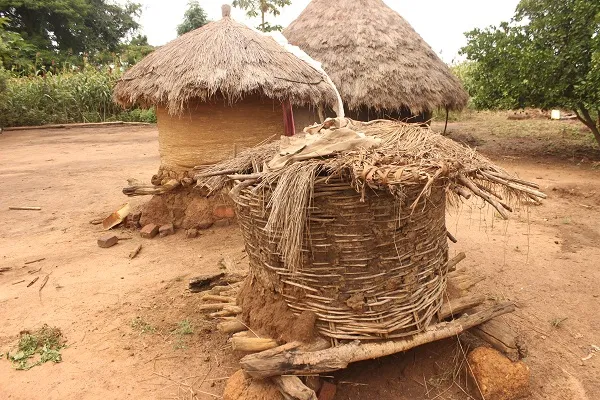
One of the main methods was the use of granaries called “thingira” or raised storage huts”. These were small wooden or mud structures built on stilts to protect stored crops from moisture, rats, and insects. The floor was often raised and well-ventilated to keep grains dry.
Maize, beans, millet, and sorghum were first carefully dried under the sun to remove all moisture before storage. This helped prevent rotting and pest infestation. The grains were then stored in woven baskets or calabashes, which were sometimes lined with ash. The ash acted as a natural pesticide, protecting the harvest from weevils and other insects.

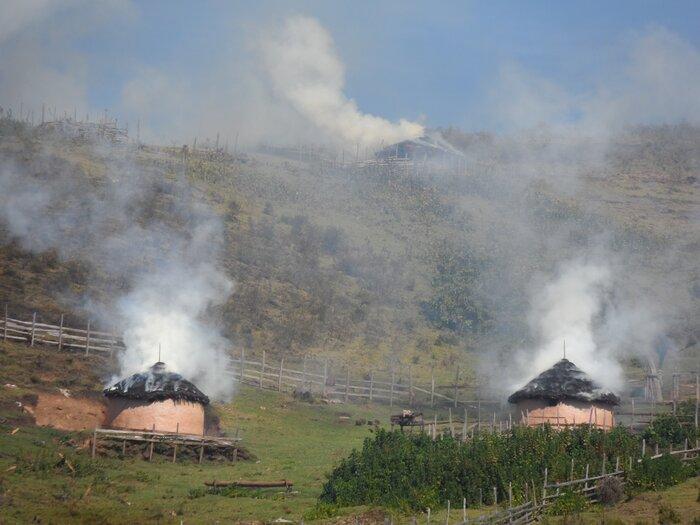
In addition, some households stored dried arrowroots and yams in cool, dry places inside the house, often wrapped in banana leaves to preserve freshness. Smoke from kitchen fires also helped in preserving food because it kept away insects and reduced moisture.
The Kikuyu also practiced careful harvesting and rationing. They avoided consuming all food at once, ensuring reserves lasted until the next season. Elders played a key role in managing food stores and ensuring discipline in usage. These traditional storage methods helped the community survive droughts and poor harvest seasons, showing their deep knowledge of food preservation and environmental adaptation. How do you store your Harvest nowdays ?